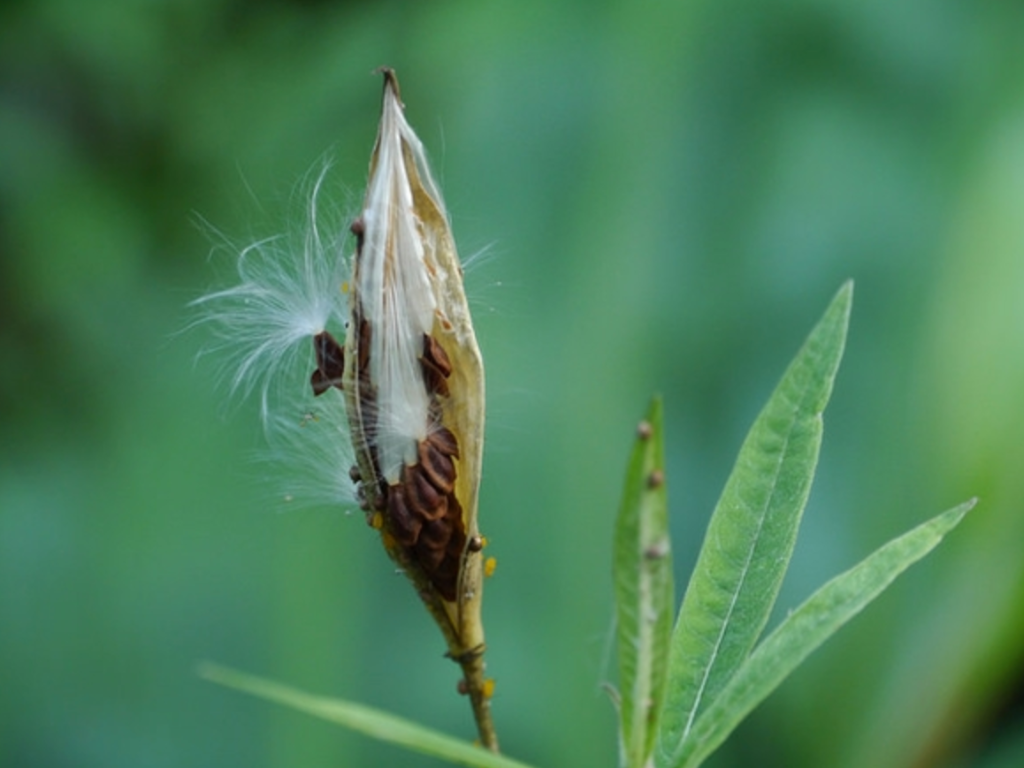
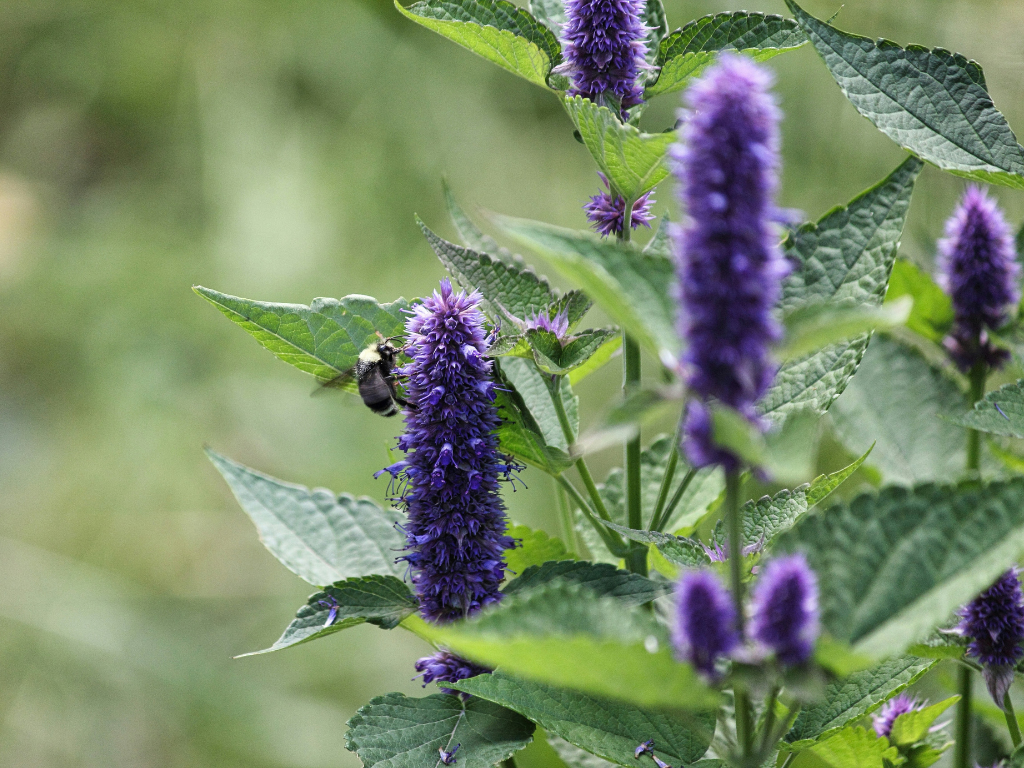
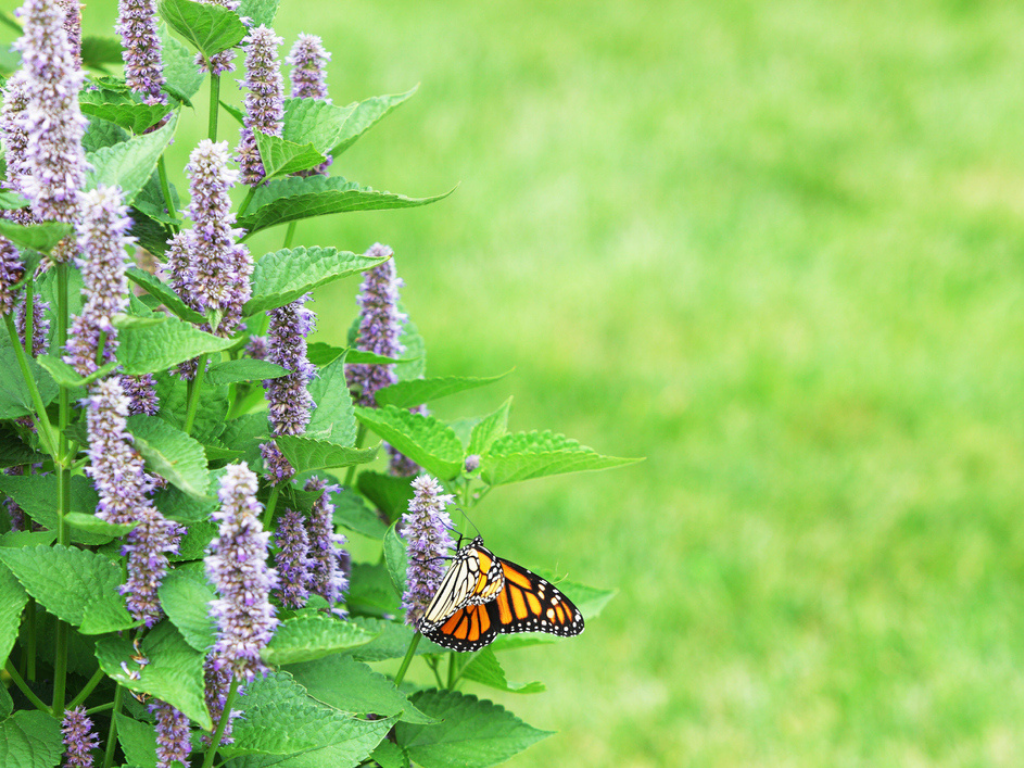
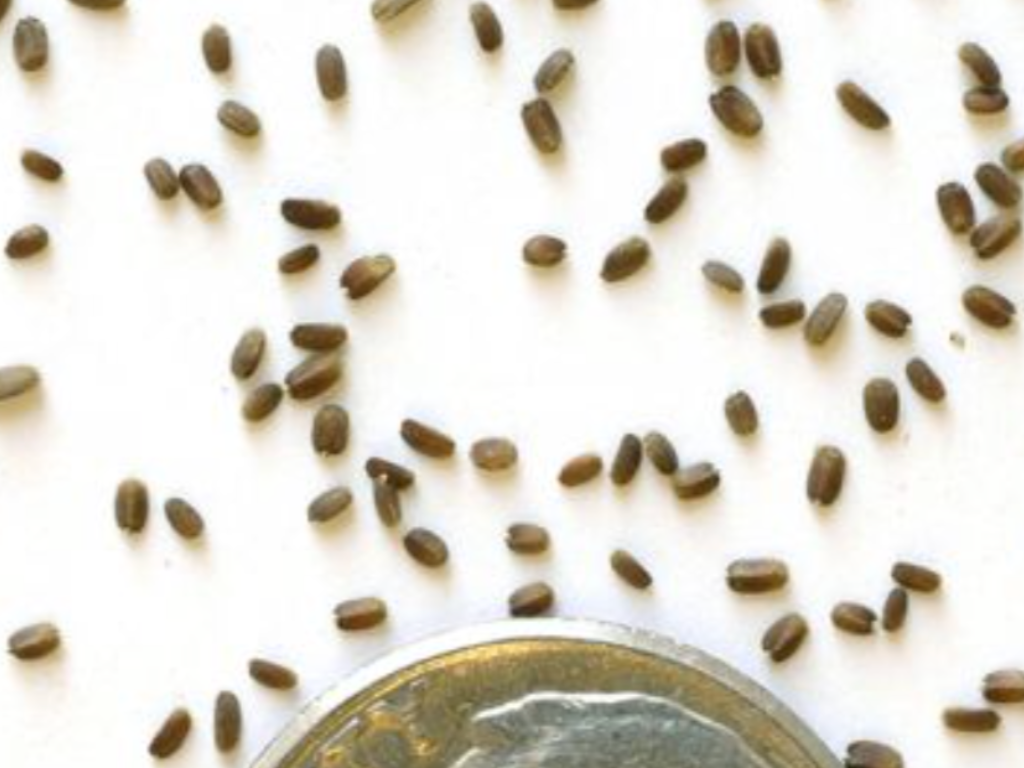
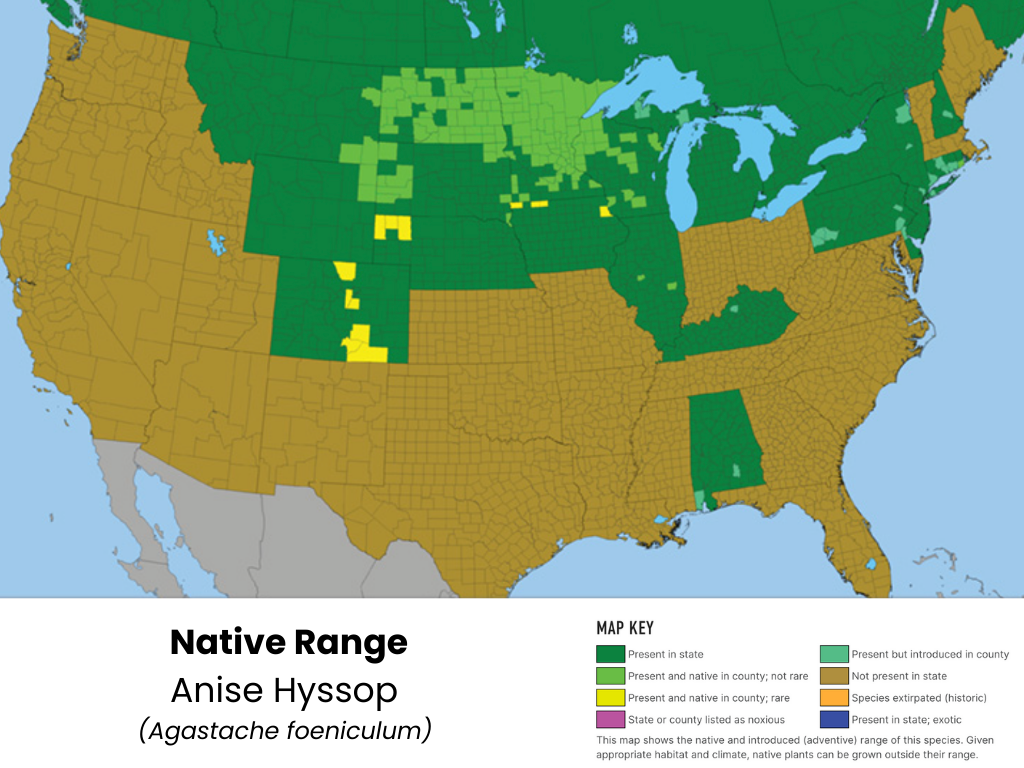
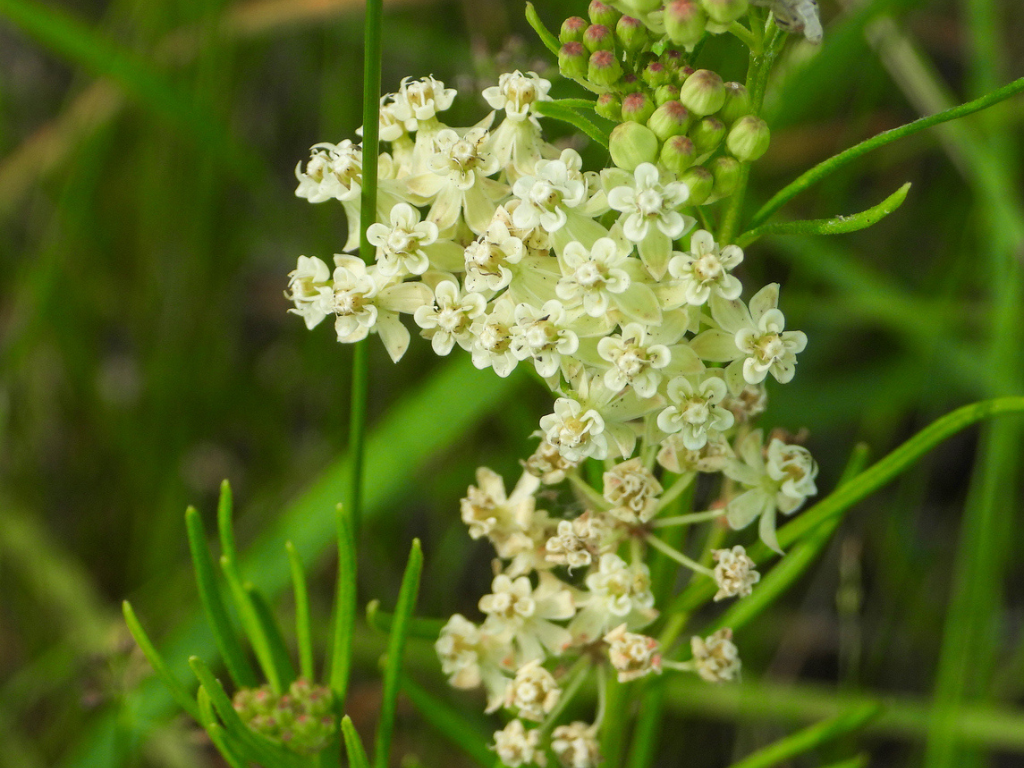
 Image 1 of 5
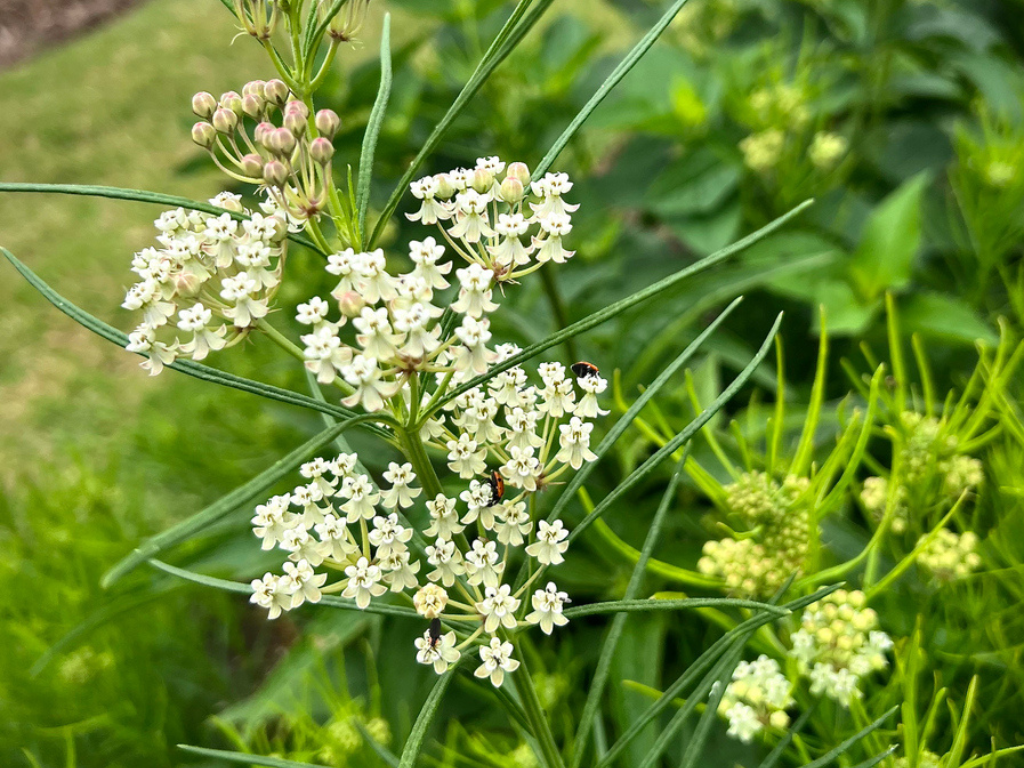 Image 2 of 5
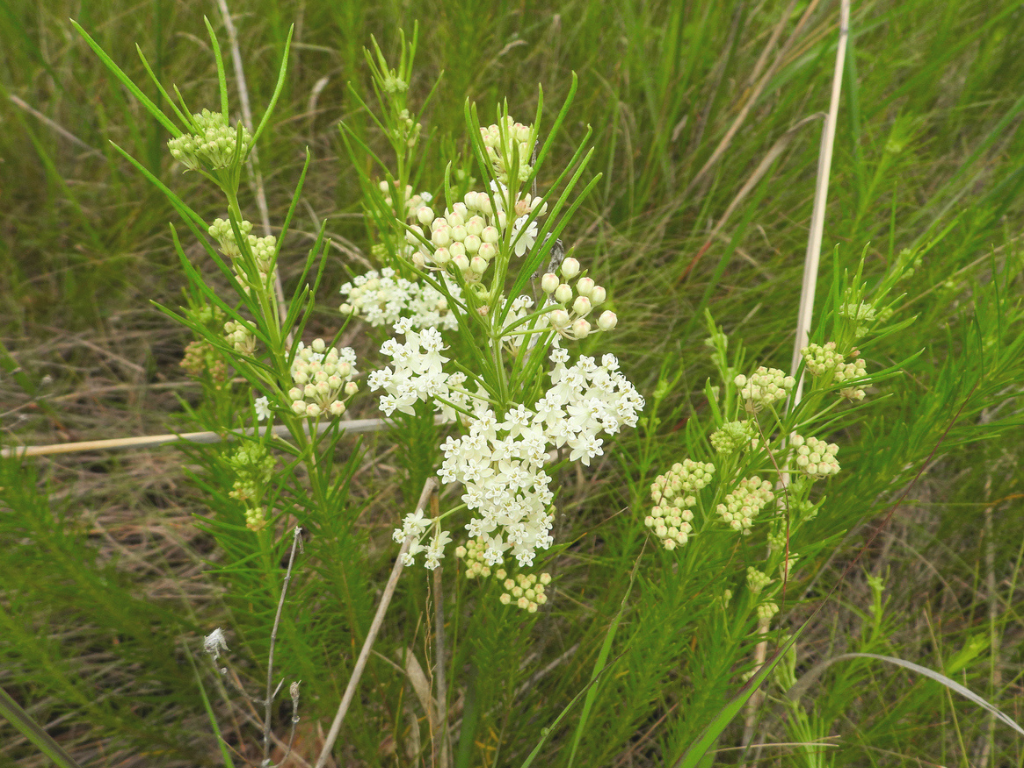 Image 3 of 5
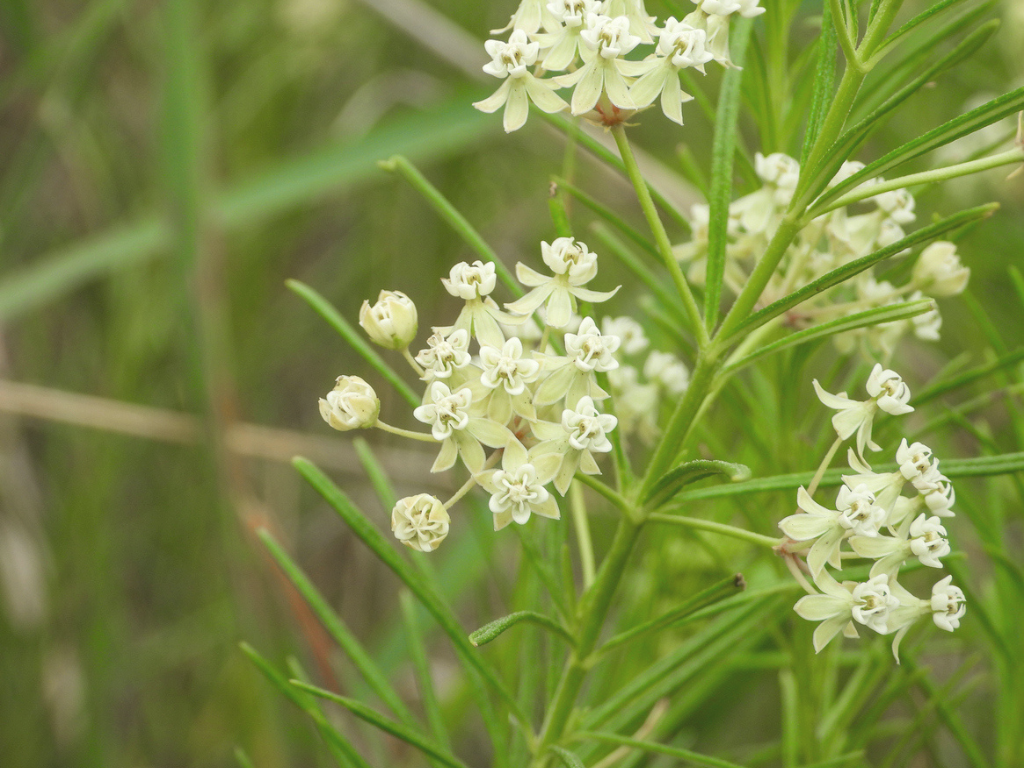 Image 4 of 5
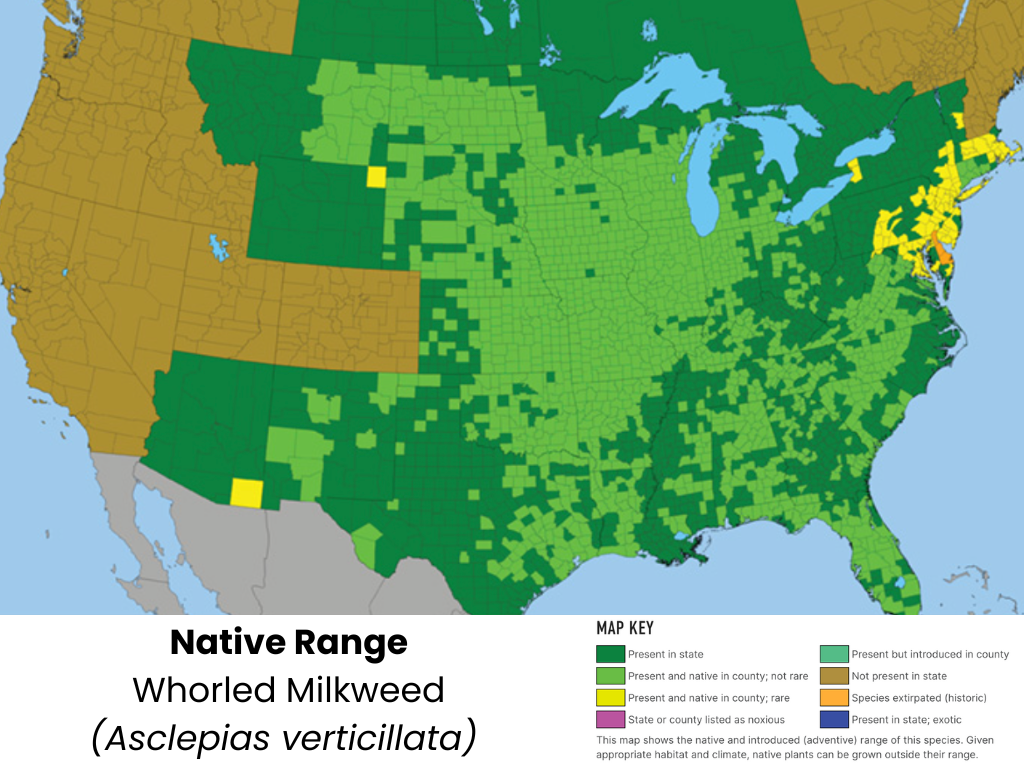 Image 5 of 5
PLANT FACTS:
Seed per packet: 100
Lifecycle: Perennial
Germination code: C(30)
Needs cold stratification: Yes
Bloom time: July, August, September
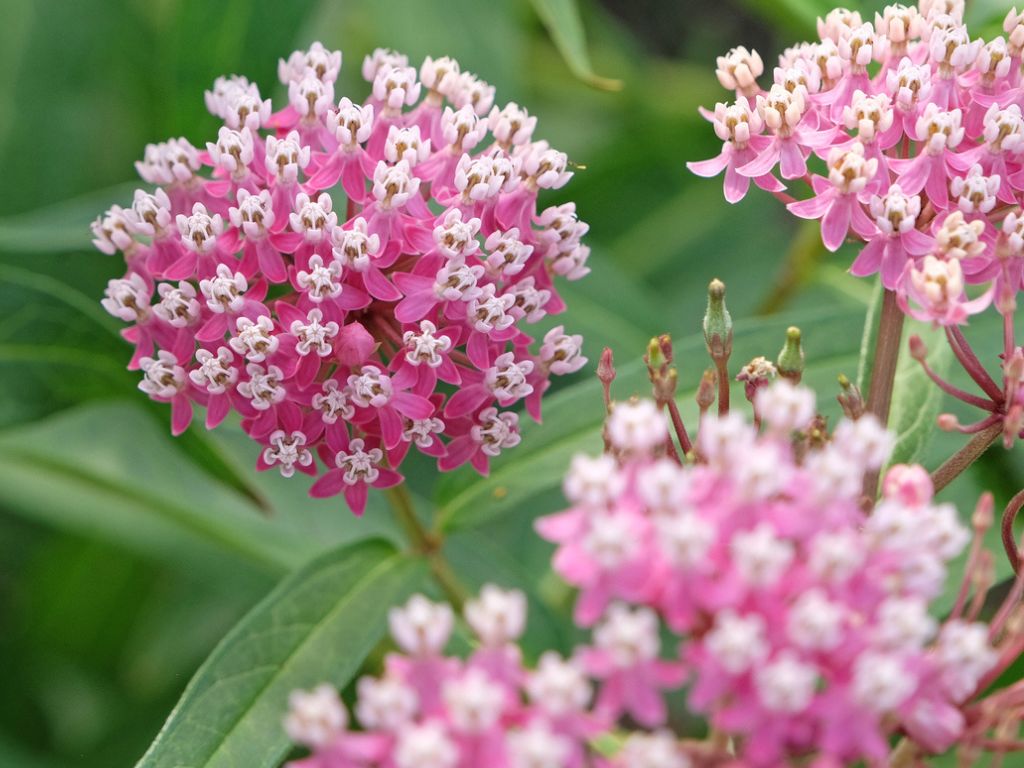
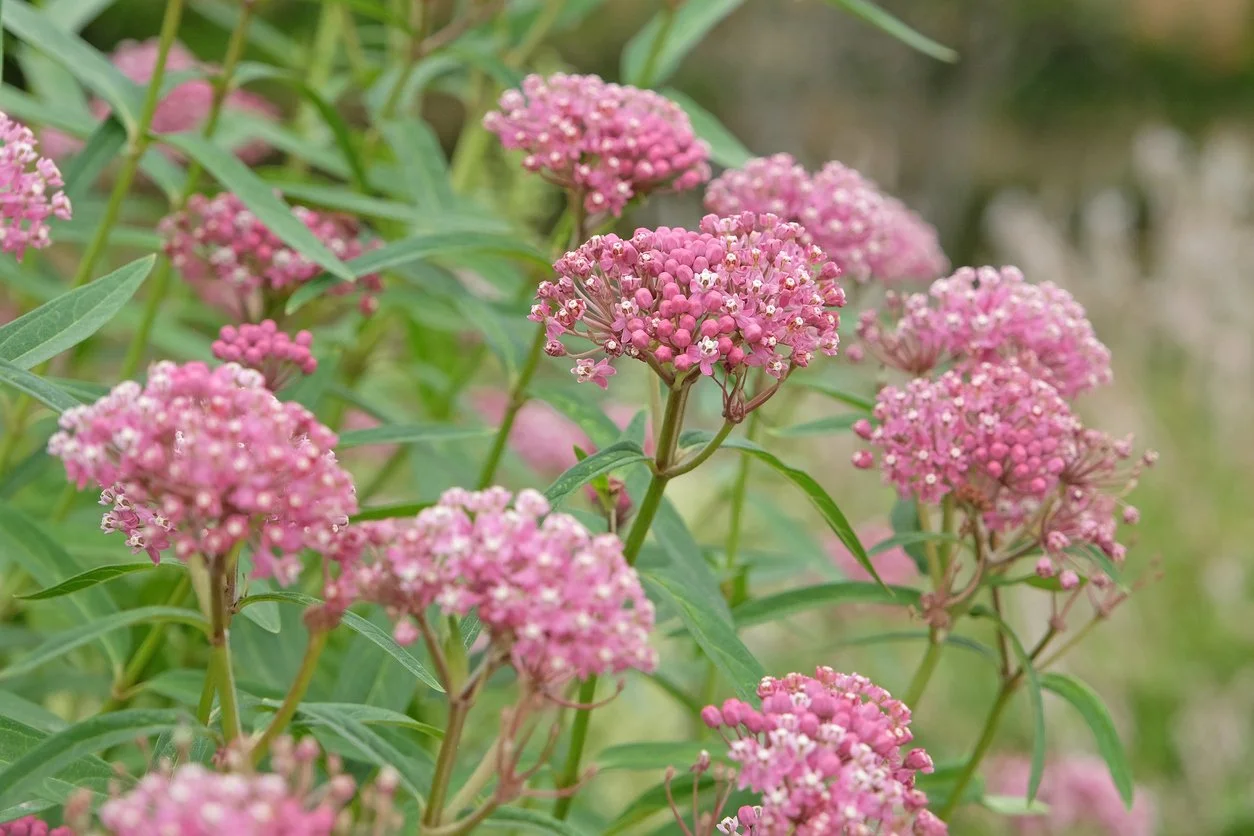
Bloom color: White
Light: Full sun - partial sun
Soil moisture: Medium to dry
Soil texture: Sandy is optimal. Tolerates loam.
Soil pH: Slightly acidic to slightly alkaline
Height: 2’
Plant Spacing: 1-2’
USDA zones: 2-9
Deer resistance: High
Note: Plant is rhizomatous and tends to spread
WILDLIFE BENEFITED
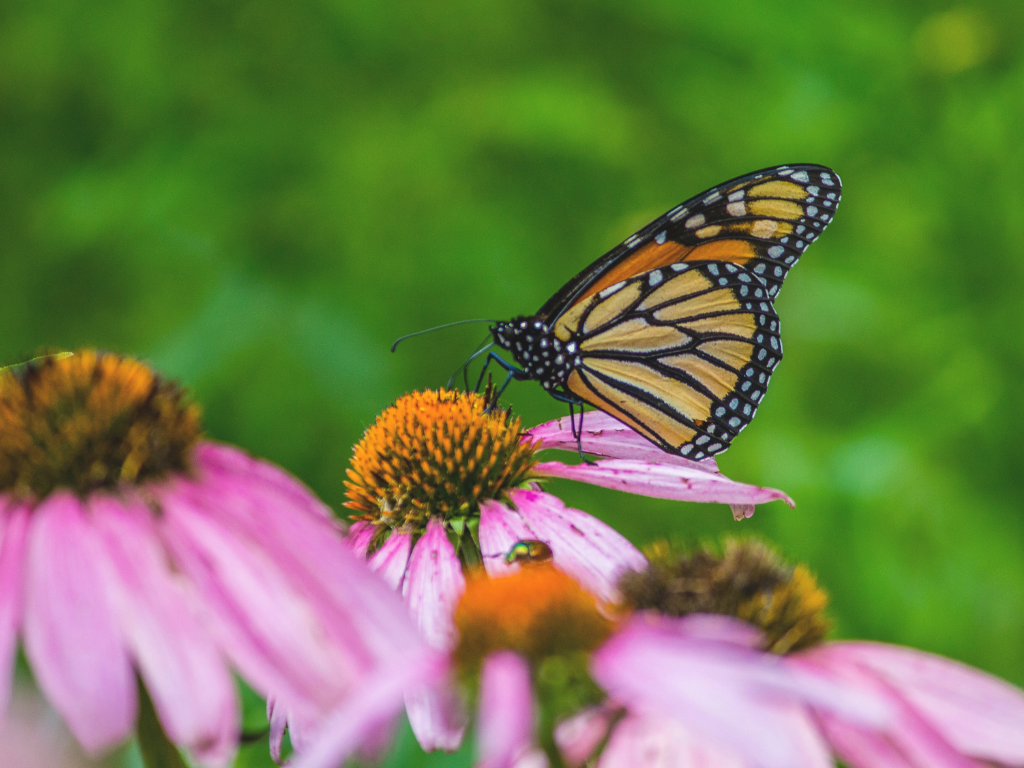
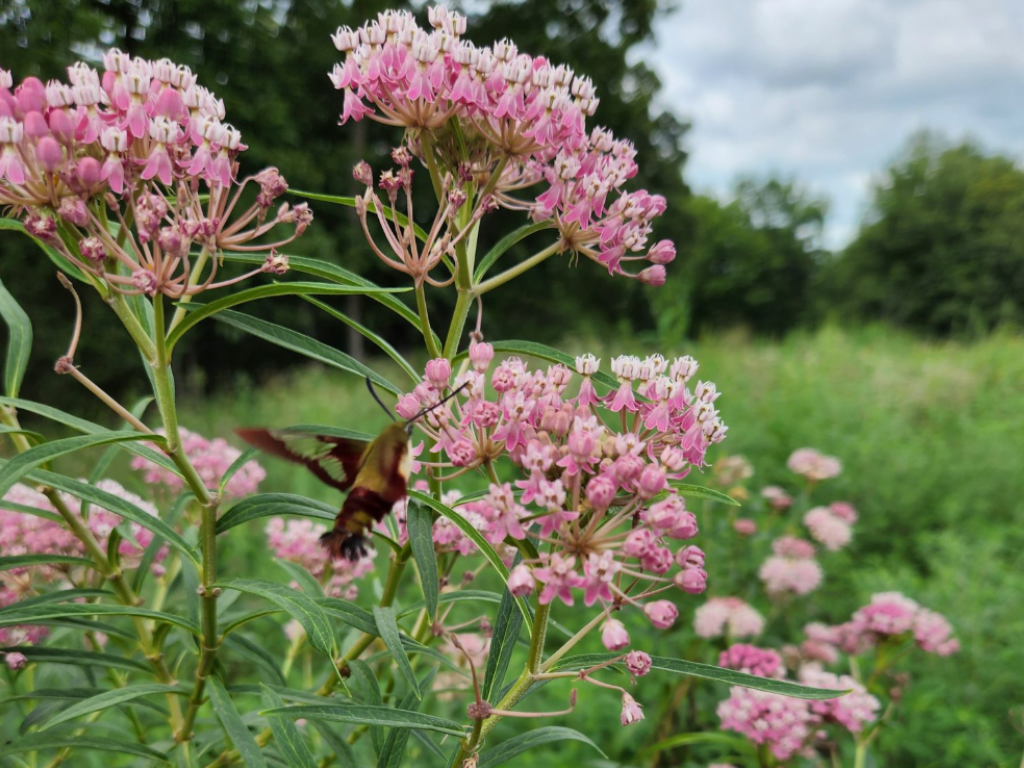
• Long-tongued bees, short-tongued bees, wasps, flies, butterflies, skippers and beetles
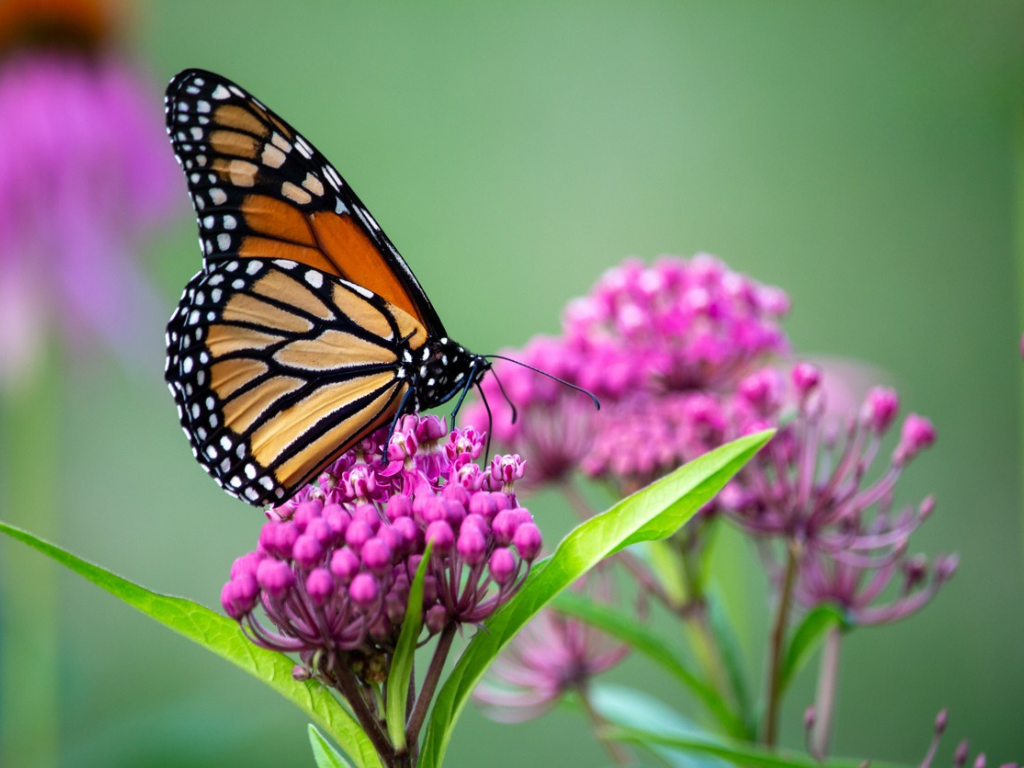
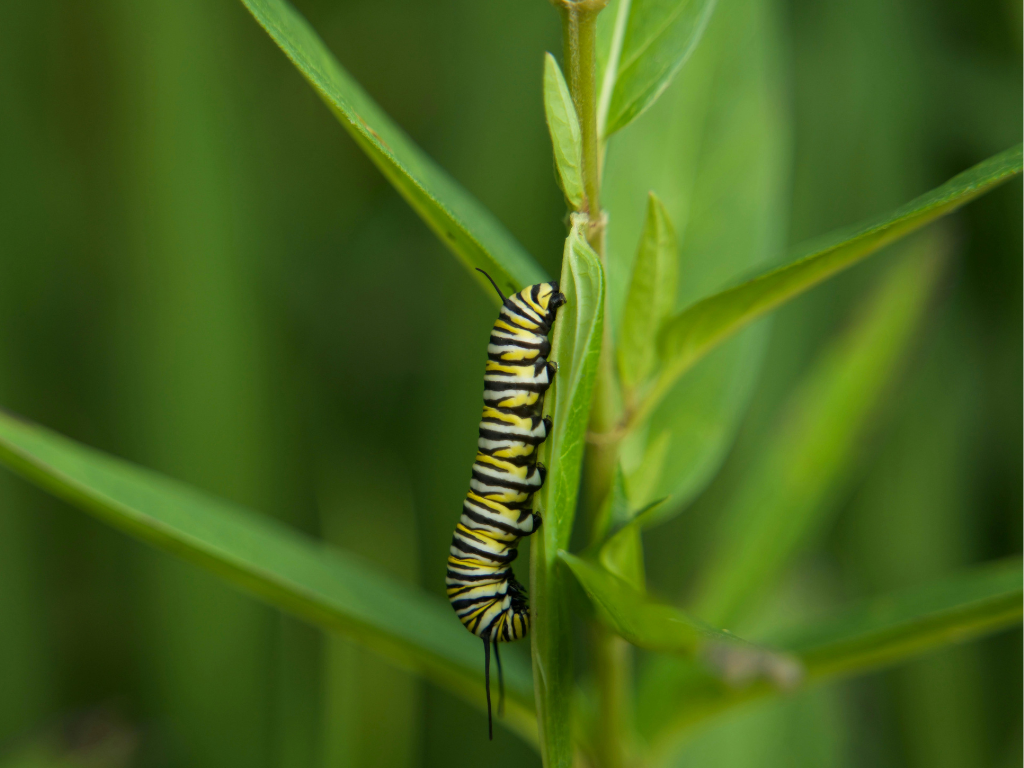
• Host plant for Monarch butterflies
PAIRS WELL WITH:
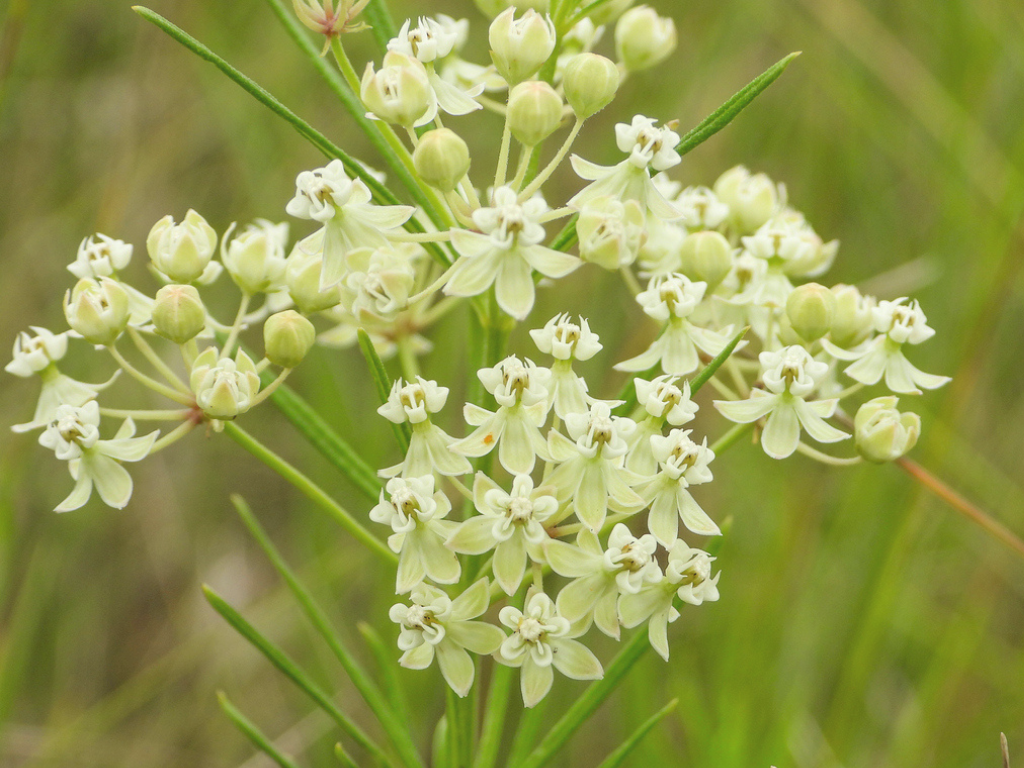
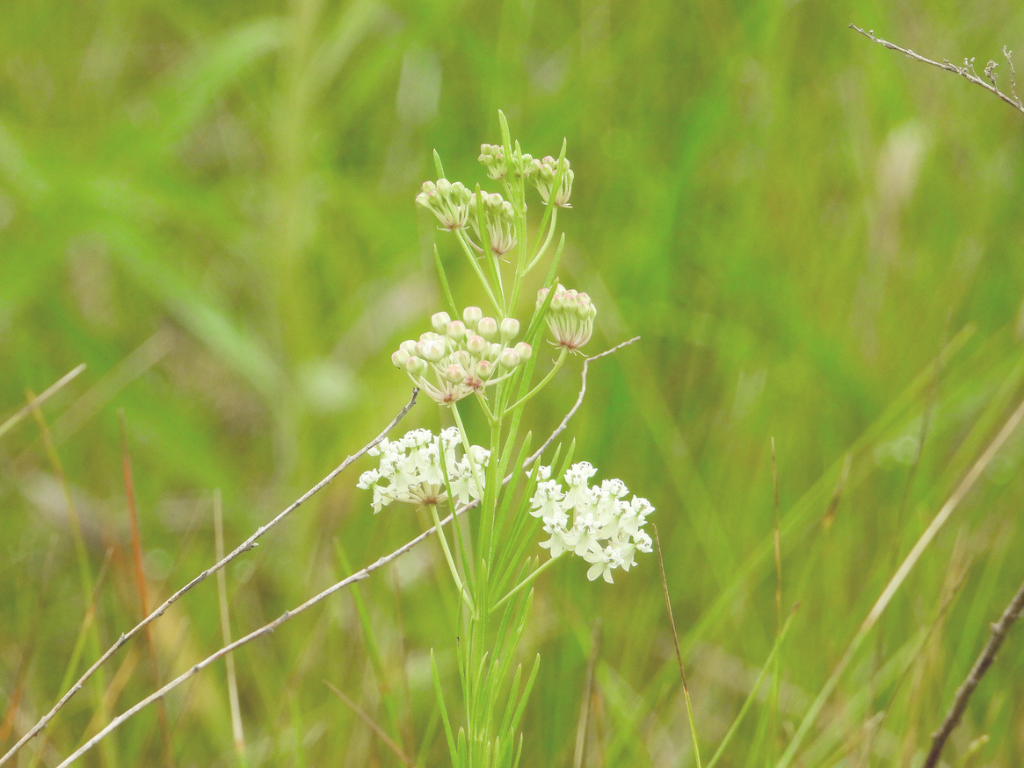
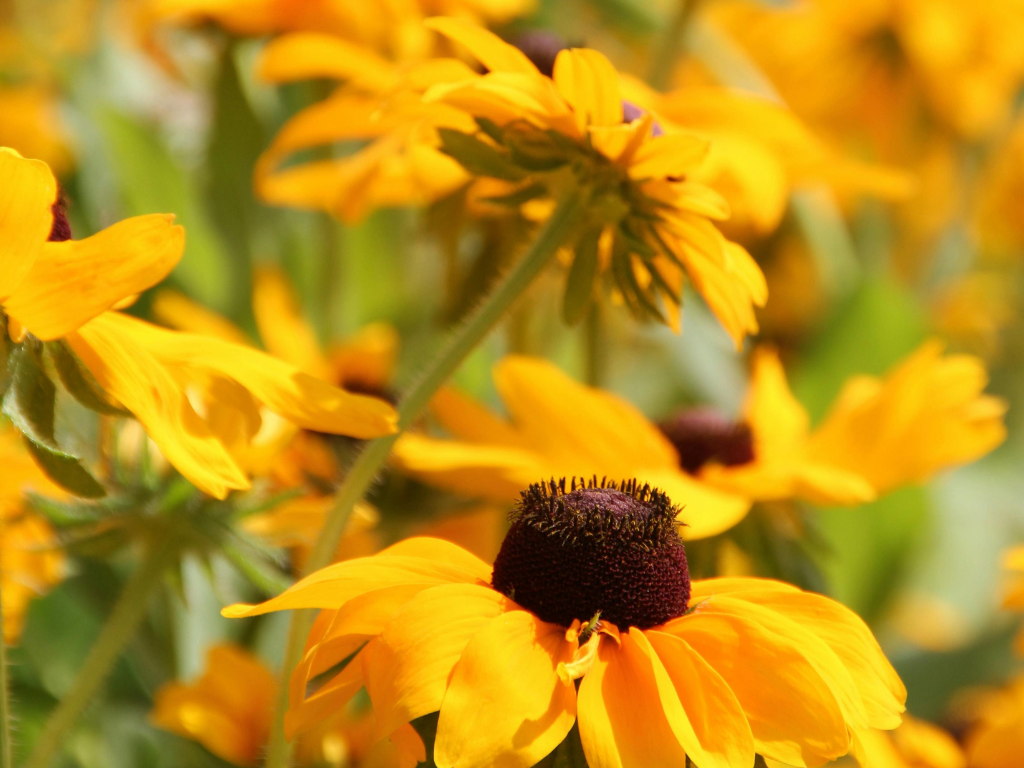
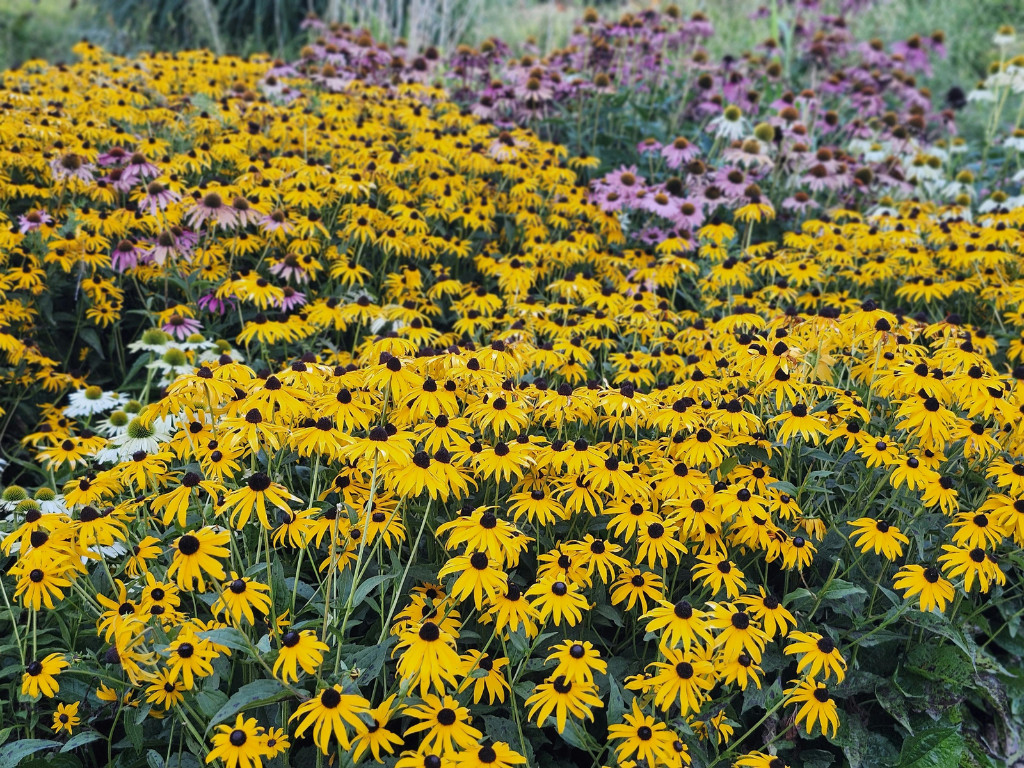
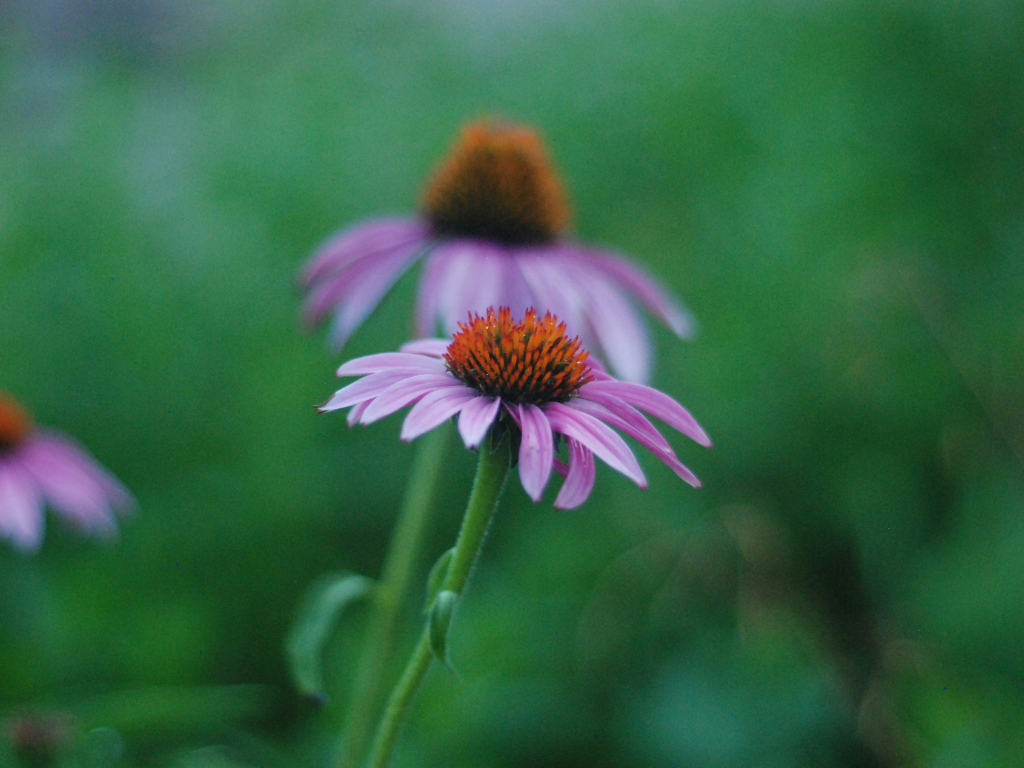
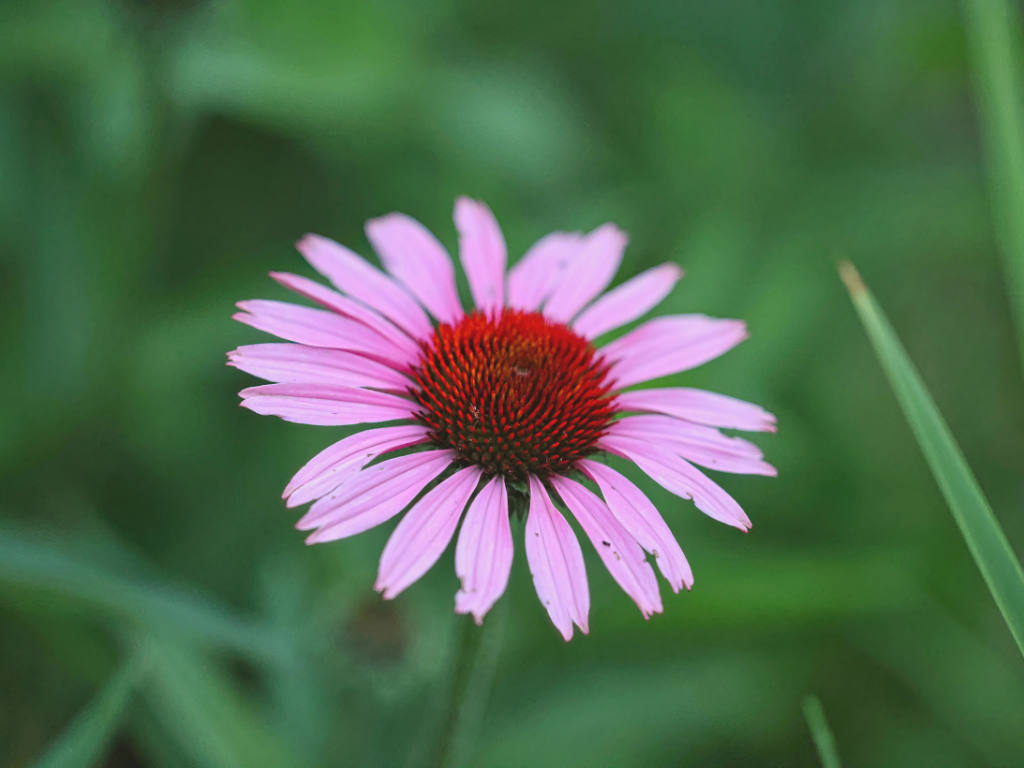
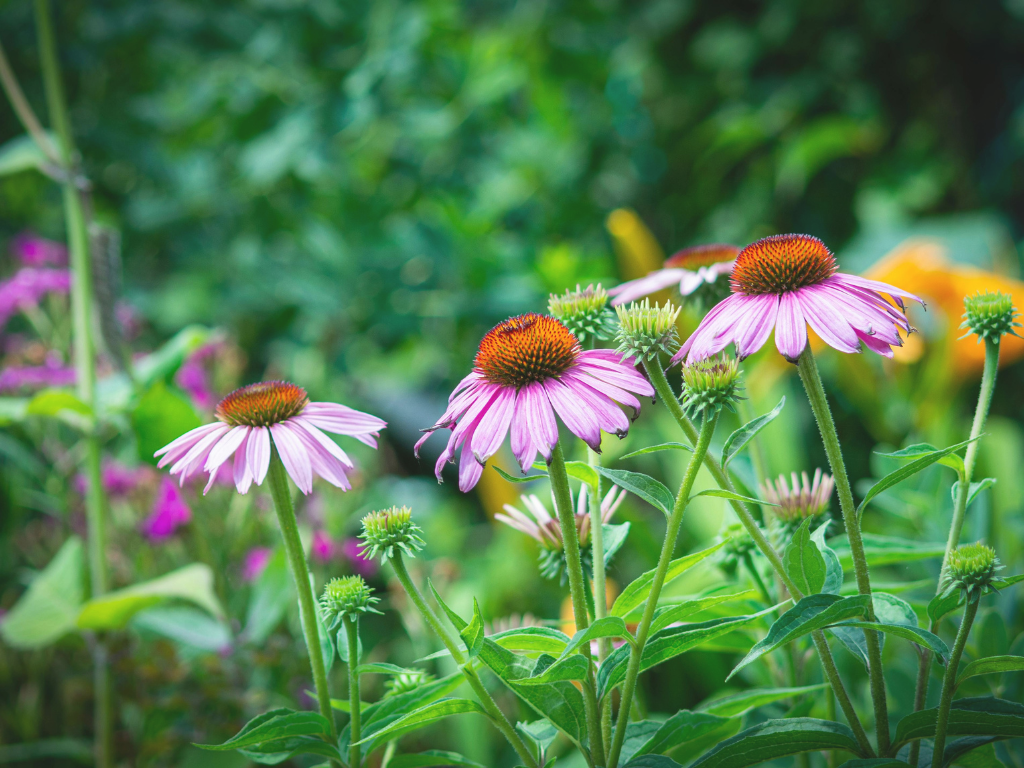
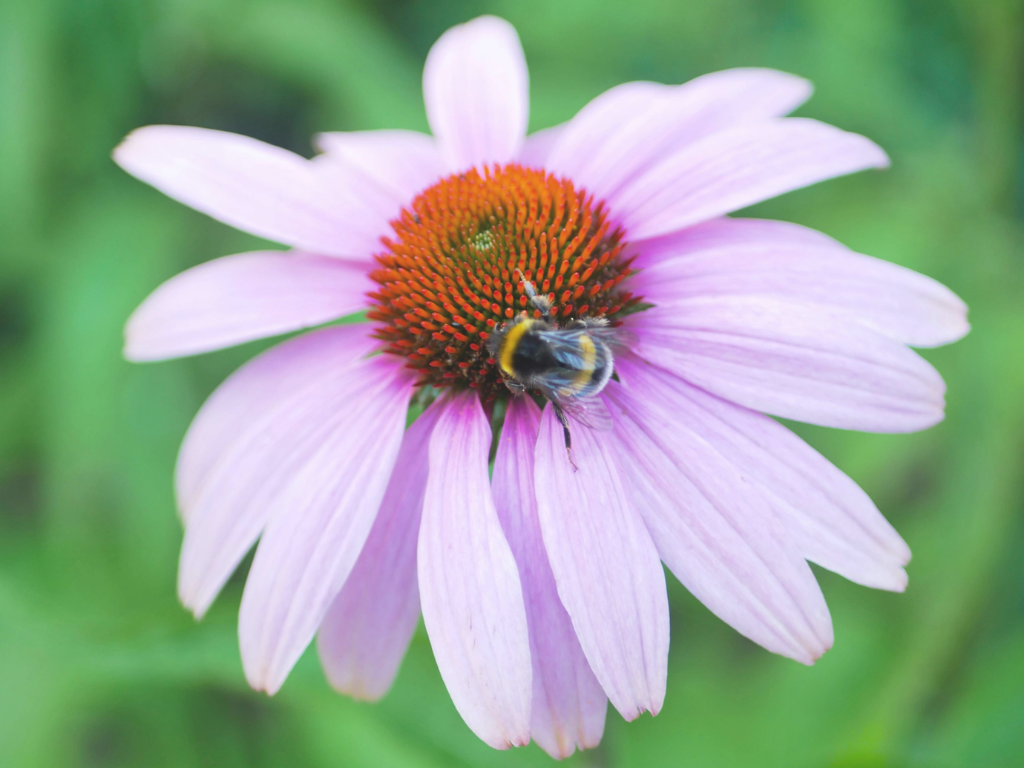
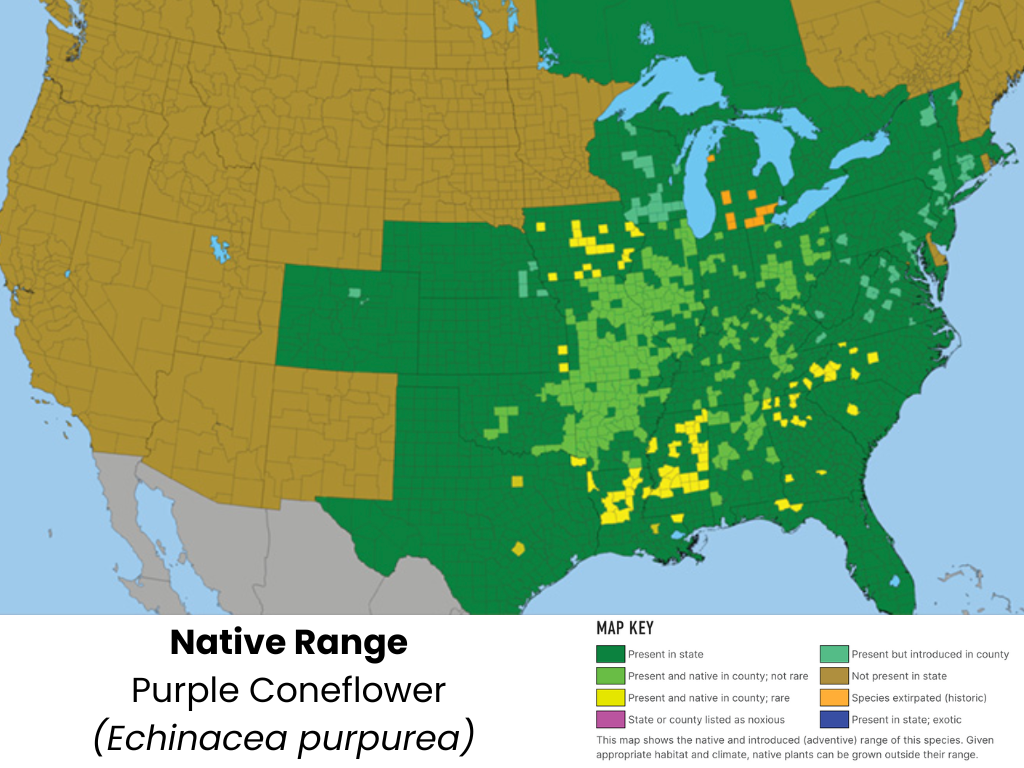
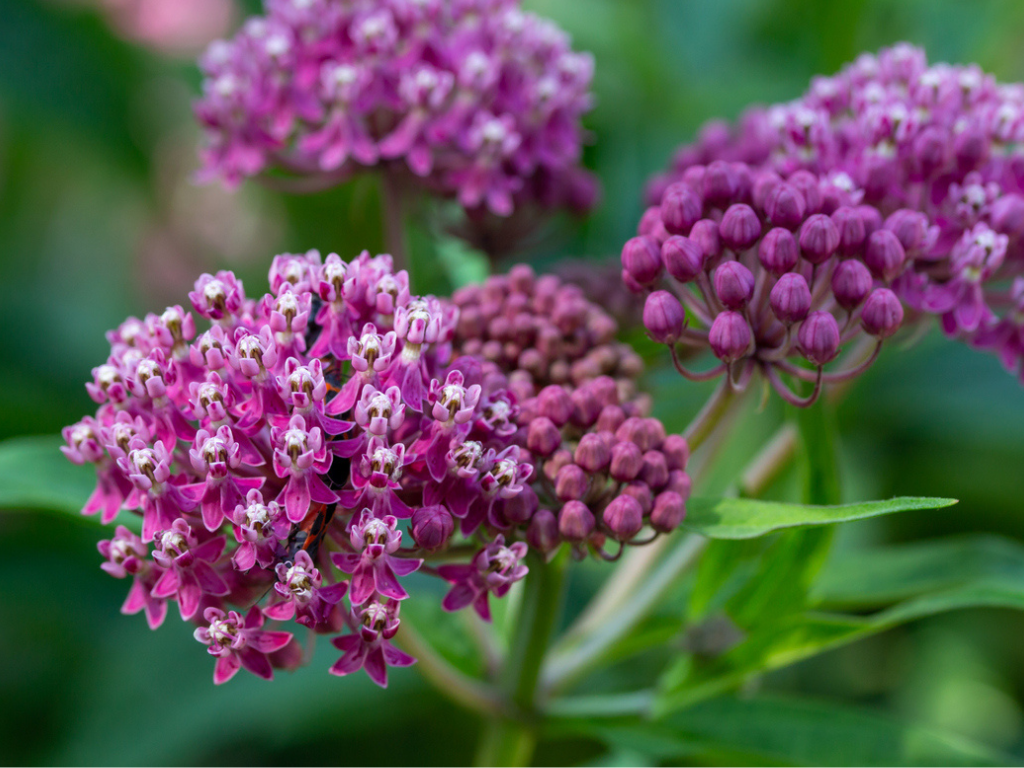
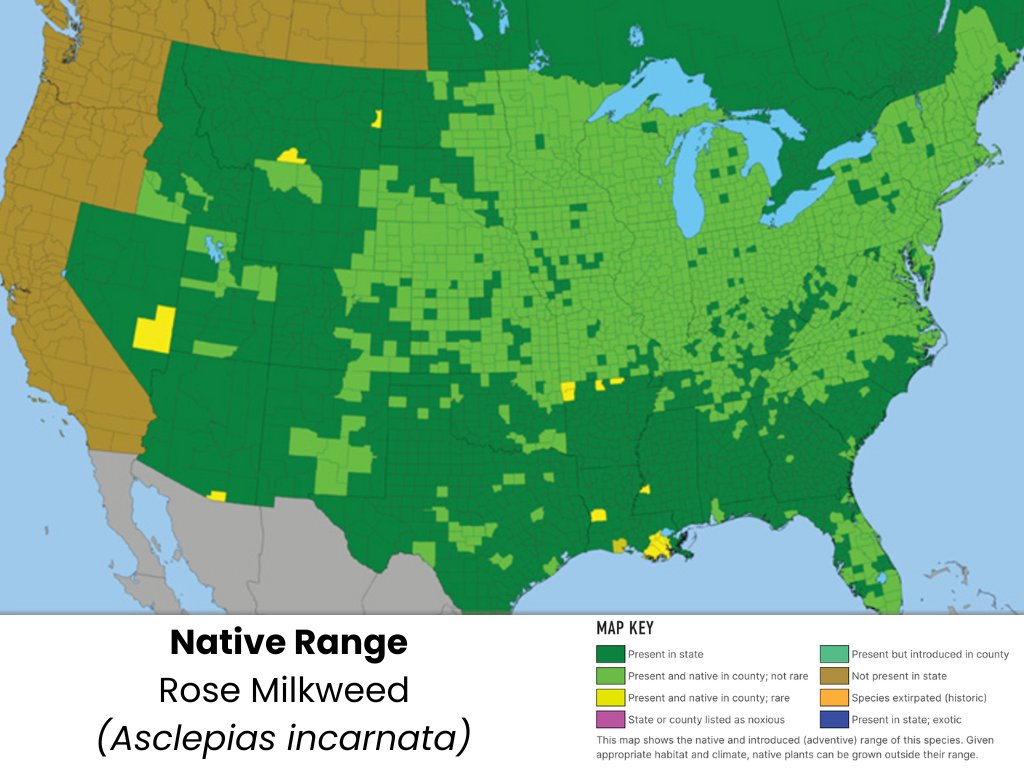
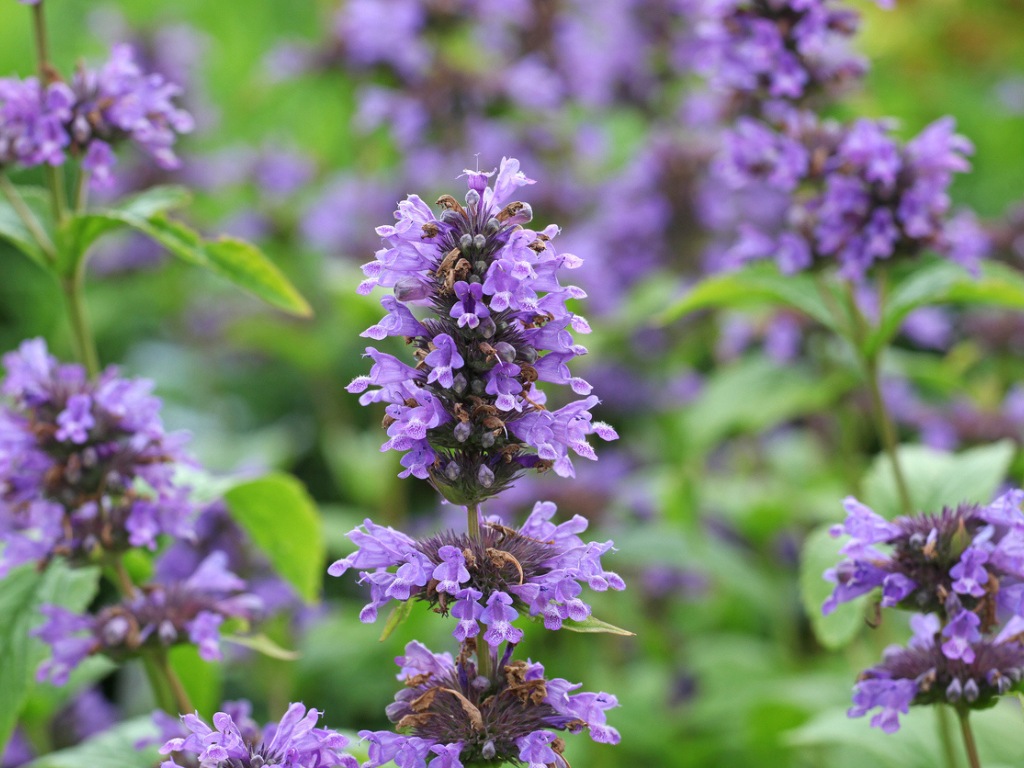
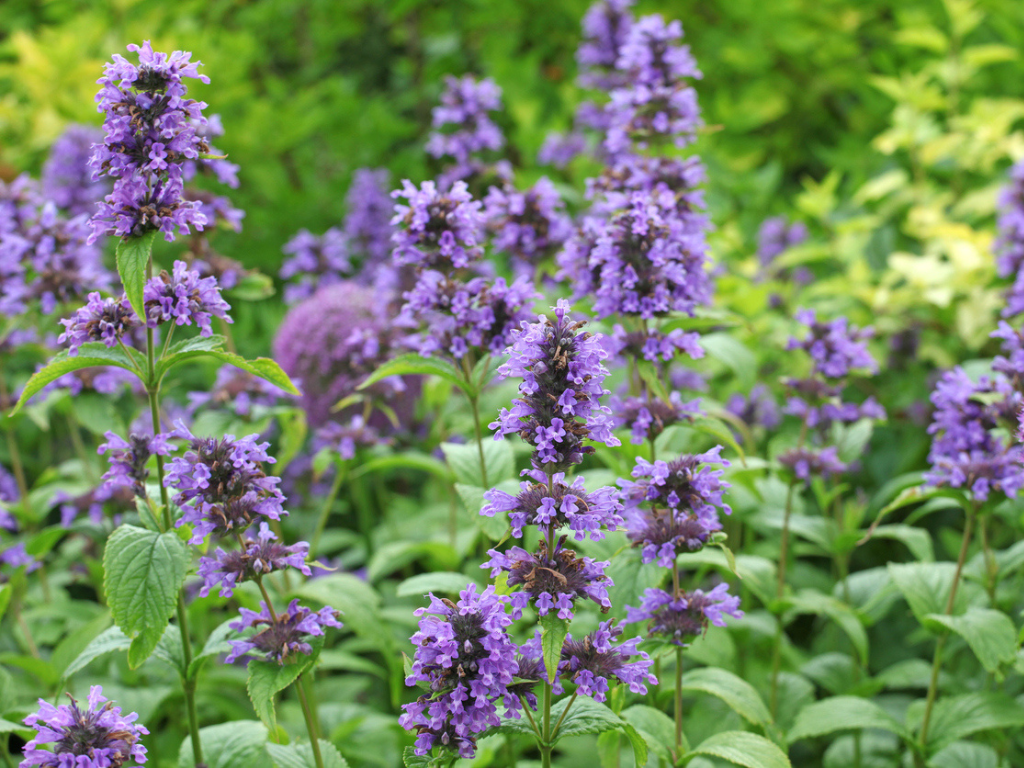
Whorled Milkweed fits beautifully into native plant gardens, prairie plantings, and naturalized landscapes. Plant it with other earlier blooming milkweed, like Rose Milkweed. Or plant it with dry-loving, full-sun natives like Coneflowers, Blazing Stars, Coreopsis, Black-Eyed Susans and prairie grasses like Little Bluestem.
GOOD TO KNOW…
-
Despite its delicate shape, Whorled Milkweed is easy to grow and surprisingly tough. Like most natives, it will set some flowers the first year, but flower more abundantly the second year.
Germination code: C(30)
Days to germination: 7-15 days at 65-75°F
Days to maturity: 300 days
Indoors: Sow 8-10 weeks before the last frost in seedling trays. Fill with a seedling soil mixture and moisten the soil. Press two seeds in each cell. Cover with a thin layer (¼” deep) of soil. Seeds germinate poorly on the soil surface. Spray or mist. Keep the seeds moist and give them light and warmth between 65º and 75ºF. Transplant seedlings when they have one set, or more, of true leaves and the danger of frost has passed. Handle gently, as roots don’t like to be disturbedDirect sow: Sow directly outdoors in spring when soil is warm, 65°F (18°C). Sow in groups of 3-4 seeds, 1/4" deep. Keep seeds moist until they germinate. When one set of true leaves appear, thin to one plant. Note: Plant tends to set roots in year one and flowers in year two.
Note: The Wild Patch is not responsible for buyer germination success. Liability of seller is limited to the cost of the item(s).
-
Many native plant seeds won’t sprout right away — they need certain conditions, like cold, warmth, or moisture, to break dormancy (their “sleeping” state). Germination codes are short labels (like A, B, C, etc.) that tell you what a seed needs to wake up and grow. For Whorled Milkweed, a germination code "C(30)" means that the seeds require a period of cold, moist stratification for 30 days to break dormancy.
-
It sounds harder than it is. There are two easy ways to cold stratify your seeds:
Method 1: Direct sow the seeds outdoors in late fall or early winter. The natural cycles of freezing and thawing will provide the necessary cold, moist stratification the seeds need and the seeds will germinate the following spring.
Method 2: This method mimics a natural cold cycle. Just place the seeds in a plastic ziplock bag in between a damp coffee filter or with a small amount of moistened peat moss or sand. Store the bag in the refrigerator for 30+ days. Then remove and sow the seeds.