
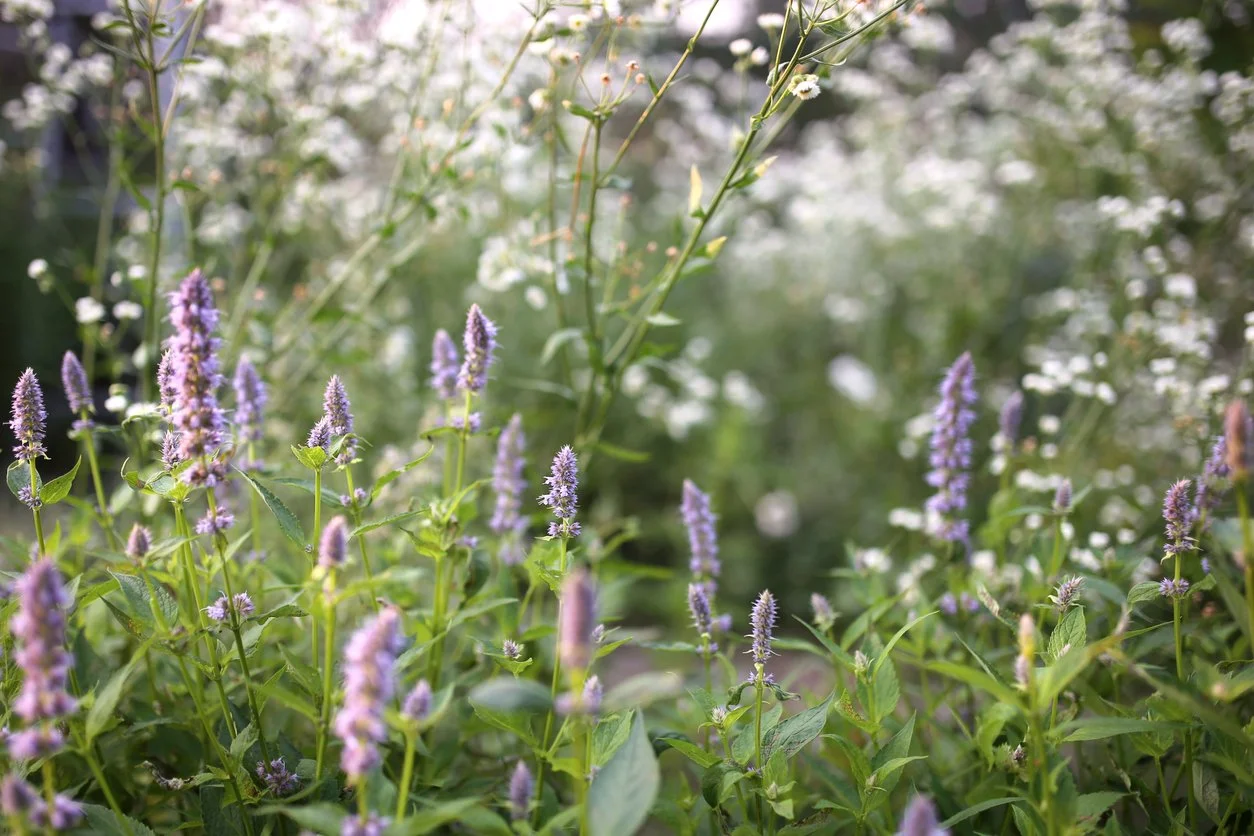
There’s a poetry to designing gardens with native plants.

Where you see flowers, we see butterflies.
Where you see buds, we see bumblebees.
Where you see berries, we see birds and turtles.
Where you see trees, we see life that feeds nearly everything.
This is how we see garden design — just a little differently.
It’s not just what you plant that makes a garden—it’s what you invite in.
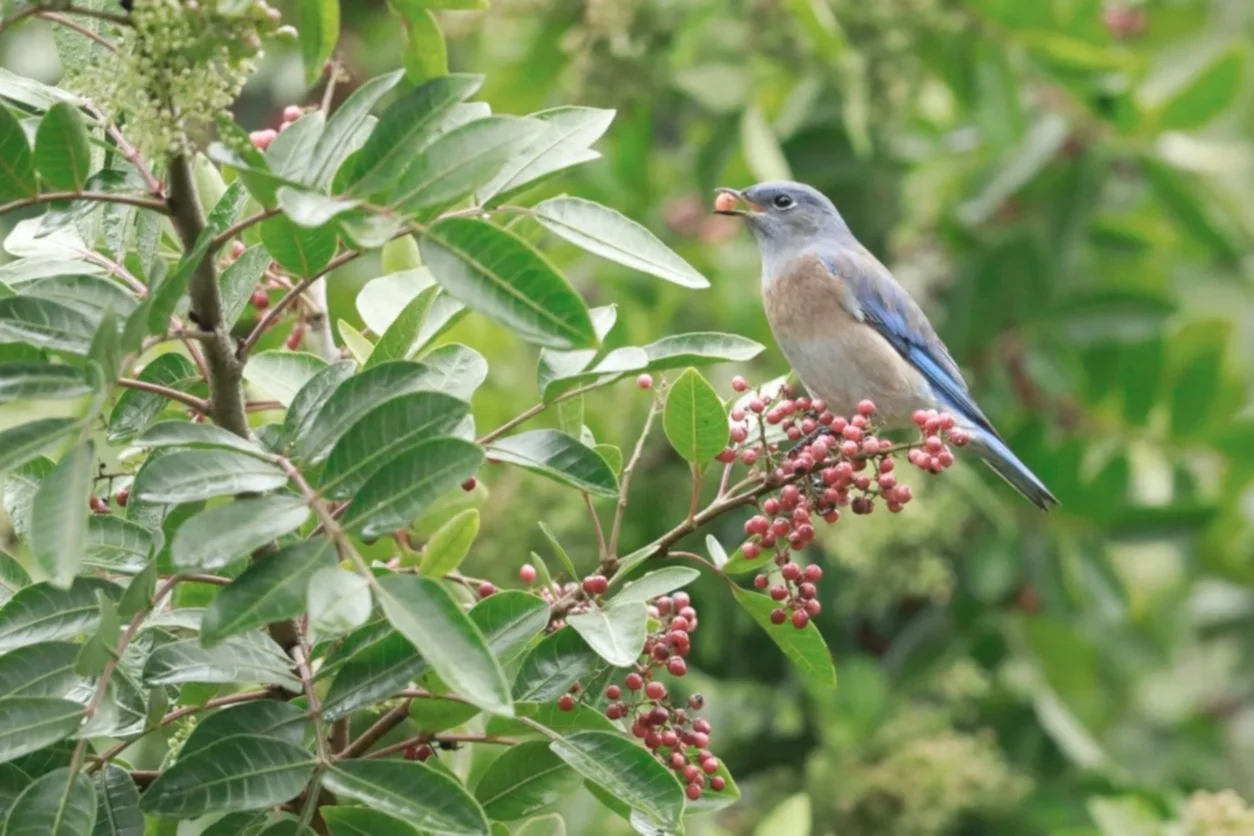
We see gardens as living tapestries, where every native flower or bush or tree draws the movement of pollinators, the hum of birds and the nourishing of life in countless forms.
And this is how our expertise in native plant horticulture meets the artistry of placement, creating spaces that pulse with movement, color and the quiet rhythm of nature.
We bring this vision to life for homeowners, corporations, municipalities, and landscape architects — crafting gardens that are not only seen, but felt.
Working with us follows a traditional garden design process including formal site assessment, concept mood boards, design presentation, plant selection and installation.
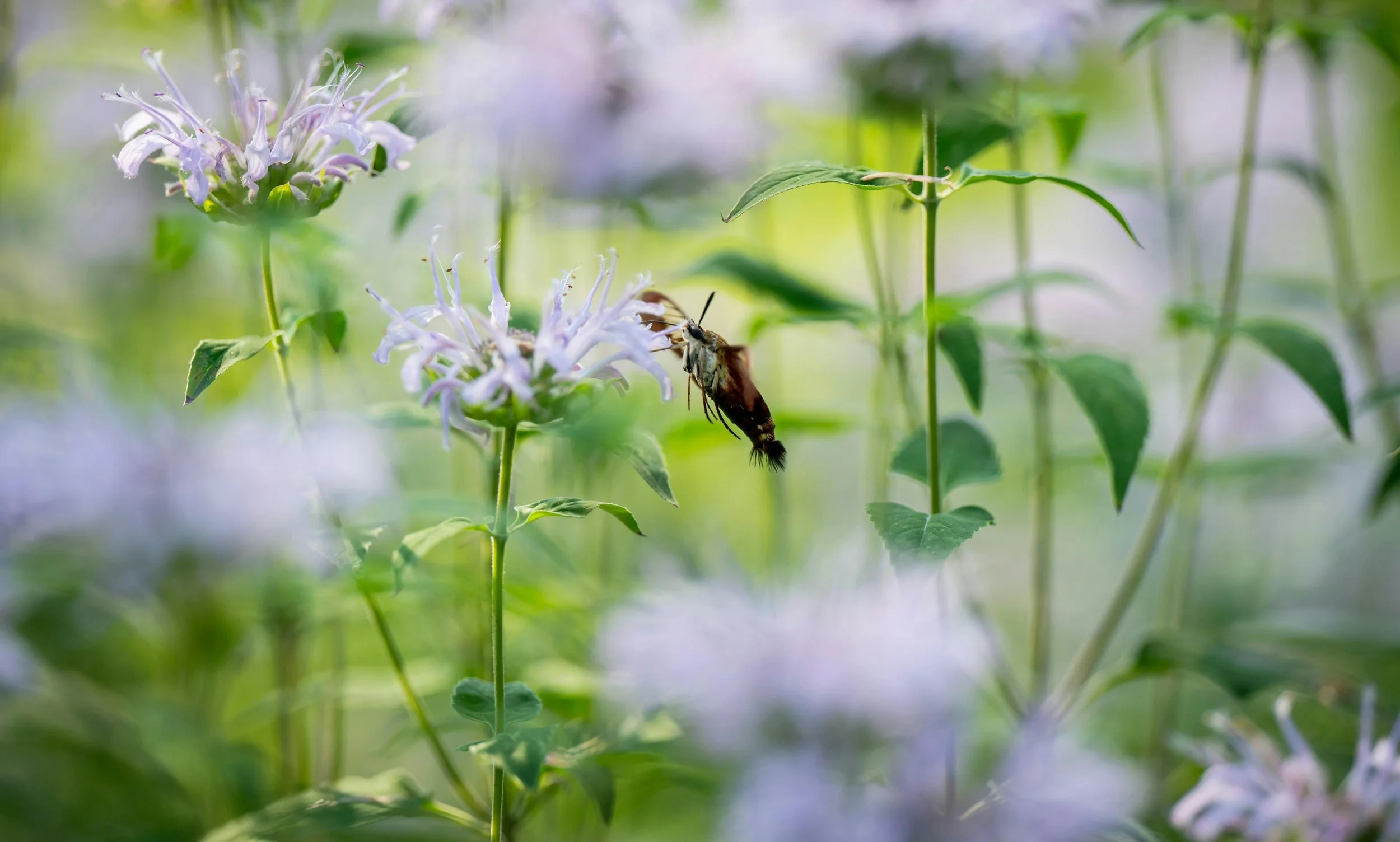
The effect is a serendipity of nature and beauty.
Our gardens were never meant to be still paintings. The true beauty of native plants lies in what they invite —the movement, the life, the magic that unfolds.
Imagine your garden from April to November as a tapestry of successive blooms, alive with pollinators seeking nectar and sustenance. Picture Monarchs and Black Swallowtail butterflies gliding through the air, hummingbirds returning hour after hour for a sip of nectar and the playful whimsy of yellow finches darting among the seeds.
This is the wonder a curated native garden creates — a living, breathing celebration of nature.
Our designs offer a curated palette of natives – or a harmonious mix.
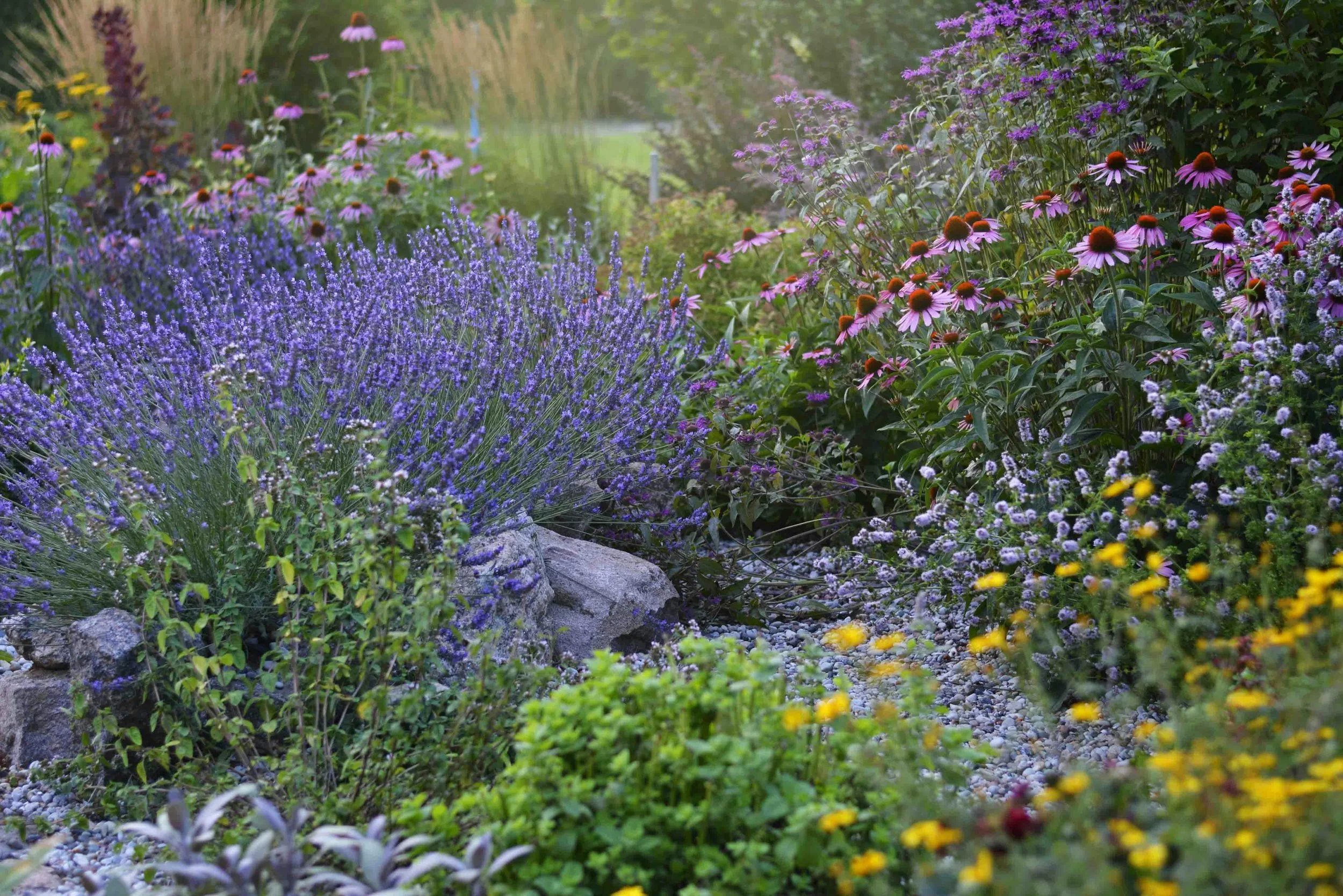
Some clients love the wild, untamed look. Others prefer something more traditional and structured.
We deliver on both — because designing with native plants doesn’t have to be all or nothing.
By blending traditional garden design principles with native planting, we create compositions that feel purposeful, balancing form, texture and color. Or, if you prefer, you can embrace the freedom of a more naturalistic look, like a wildflower meadow.
That’s why native gardens can be designed in countless ways, with each one reflecting your unique aesthetic — and we work closely with you to help define what that aesthetic is.
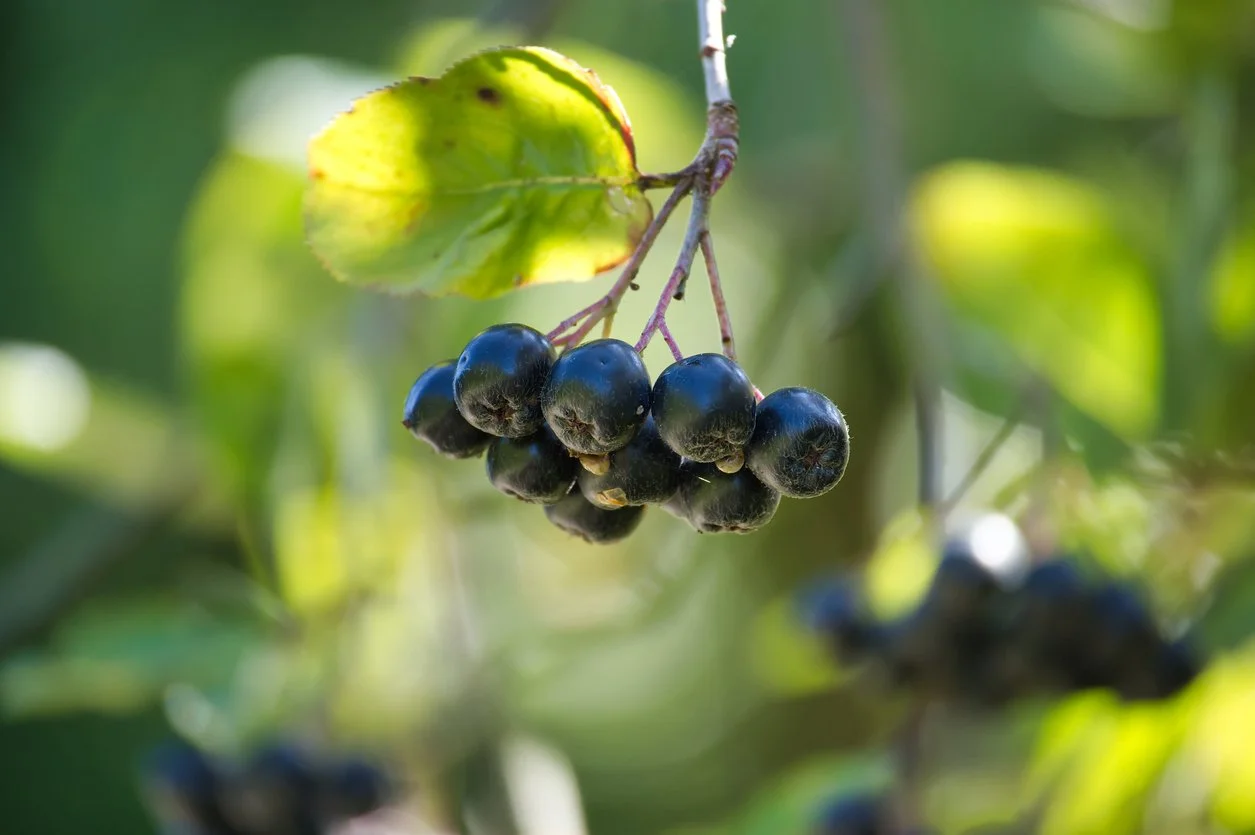
Nature is our muse.
The key to designing with native plants is understanding how each one grows and what pollinators or wildlife it supports and when. That’s where we come in and offer a special kind of expertise.
The Wild Patch sits within a 33-acre nature preserve where nearly every regionally native plant, shrub and tree thrives, naturally. It’s also home to hundreds of birds, bees, butterflies, waterfowl and animals, including many rare and endangered species. Plus, it’s a major migratory stop for the many pollinators and waterfowl that travel north and south.
This gives us a front-row view of how different natives behave and how the wildlife use them — guiding our designs and inspiring every garden we create.
Horticulture and creativity are our credentials.
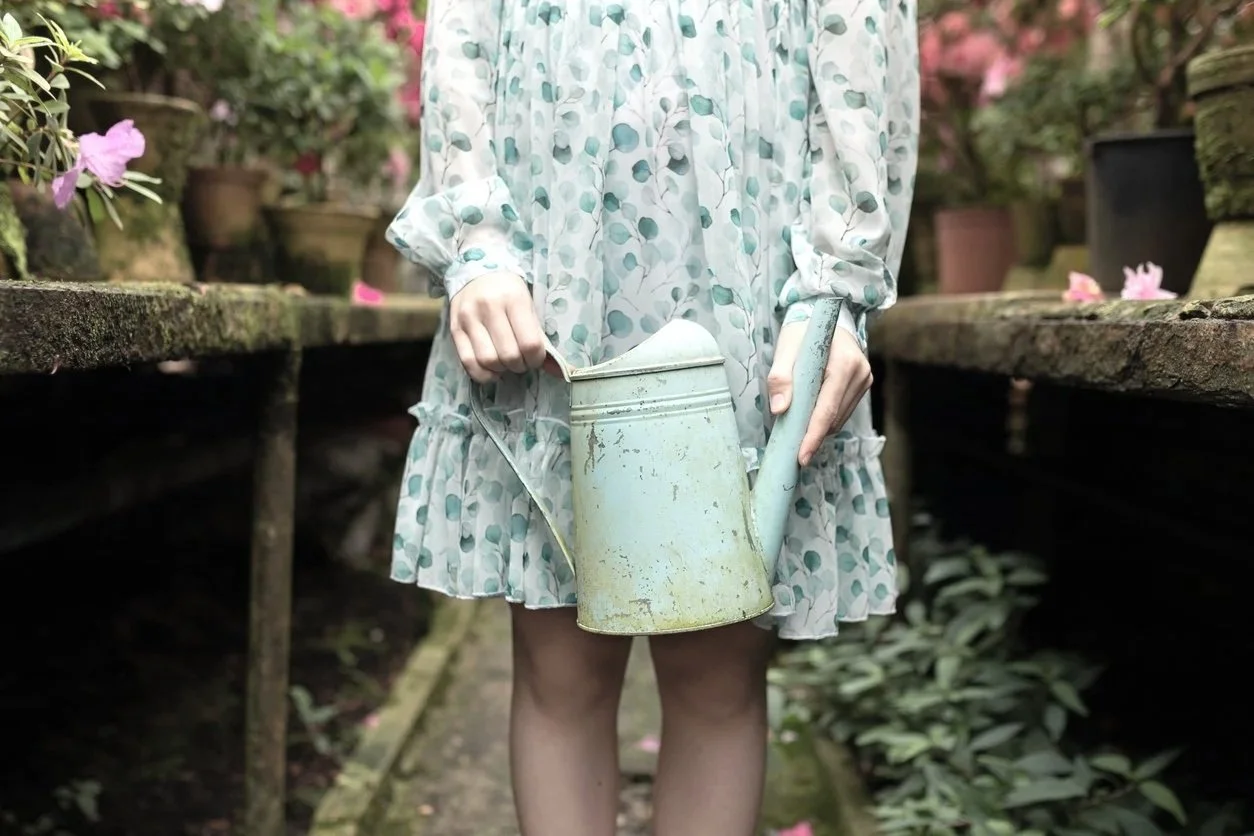
Our native garden design team is led by Alex Setnikar, an ecological landscape designer and environmental horticulturist who specializes in native plants. After 20 years as an advertising creative, Alex brought her creativity to designing native gardens, cultivating native plants and stewarding 33 acres of conservation land in partnership with the USDA NRCS.
Alex holds an Ecological Horticulture Certificate with a concentration in native plants from the Massachusetts Horticulture Society, is a New York Botanical Garden Certified garden designer and earned her Bachelor’s degree from Rutgers University.
When not designing native gardens for clients, Alex can be found cultivating an ever-growing collection of native plants, shrubs and trees, experimenting with propagation methods, increasing the biodiversity of the nature preserve, collecting native seeds and digging in her own gardens.
Have a project in mind?
We’d love to hear about it. To start the conversation, just tell us a little about your project.