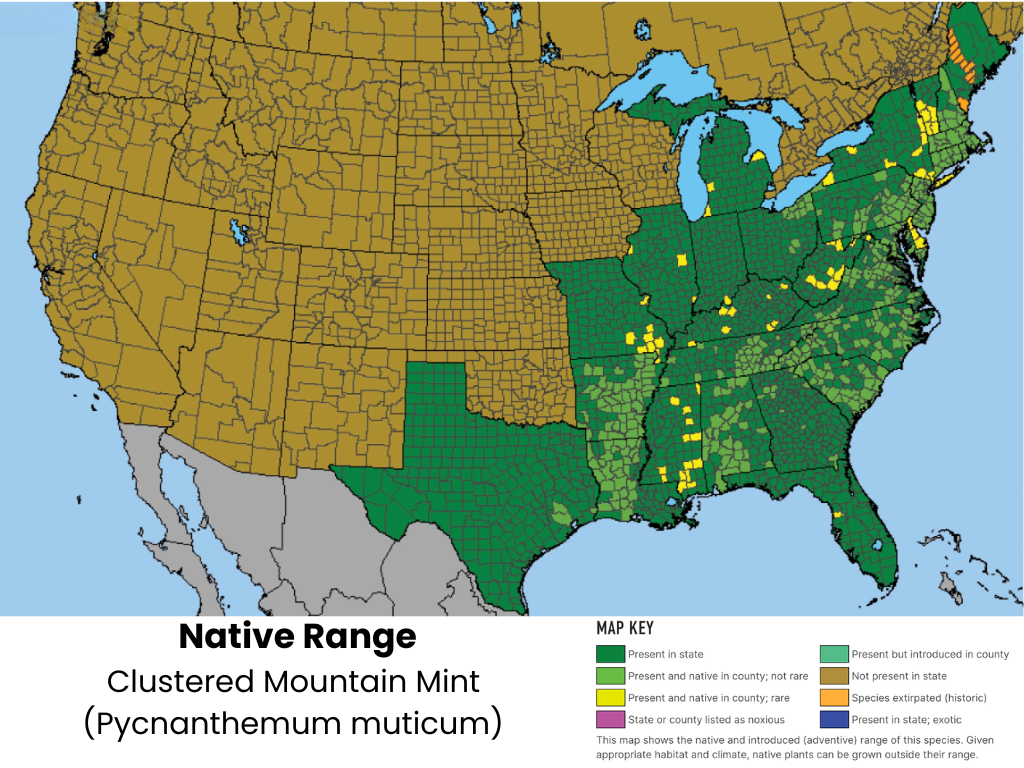
 Image 1 of 6
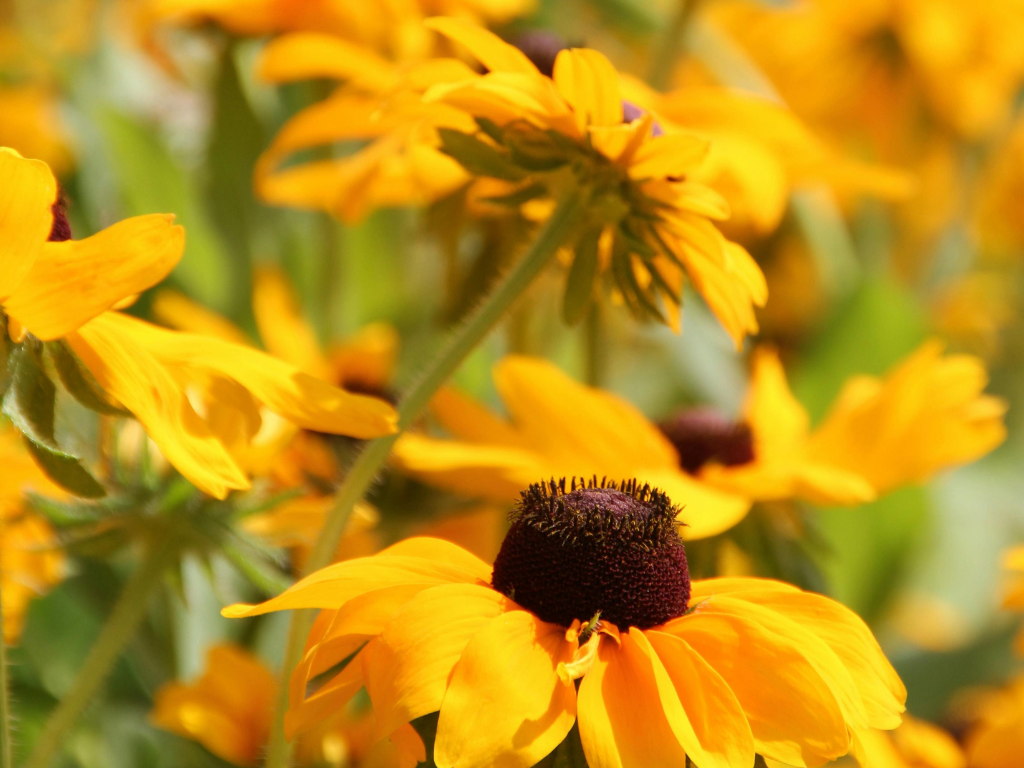
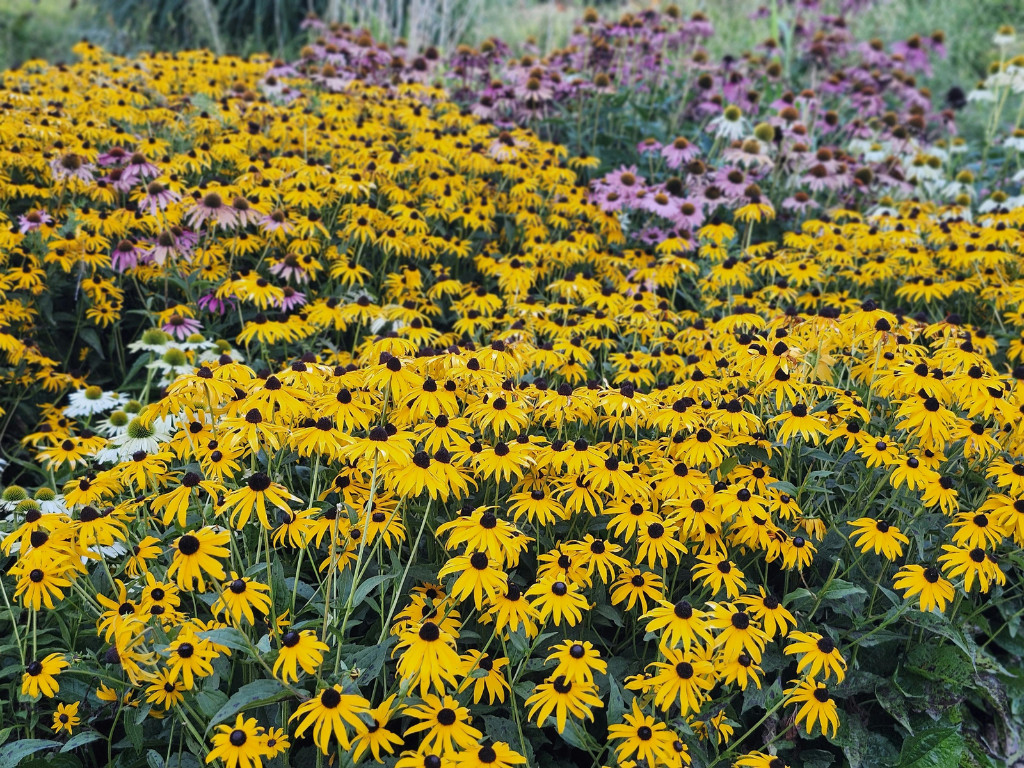 Image 2 of 6
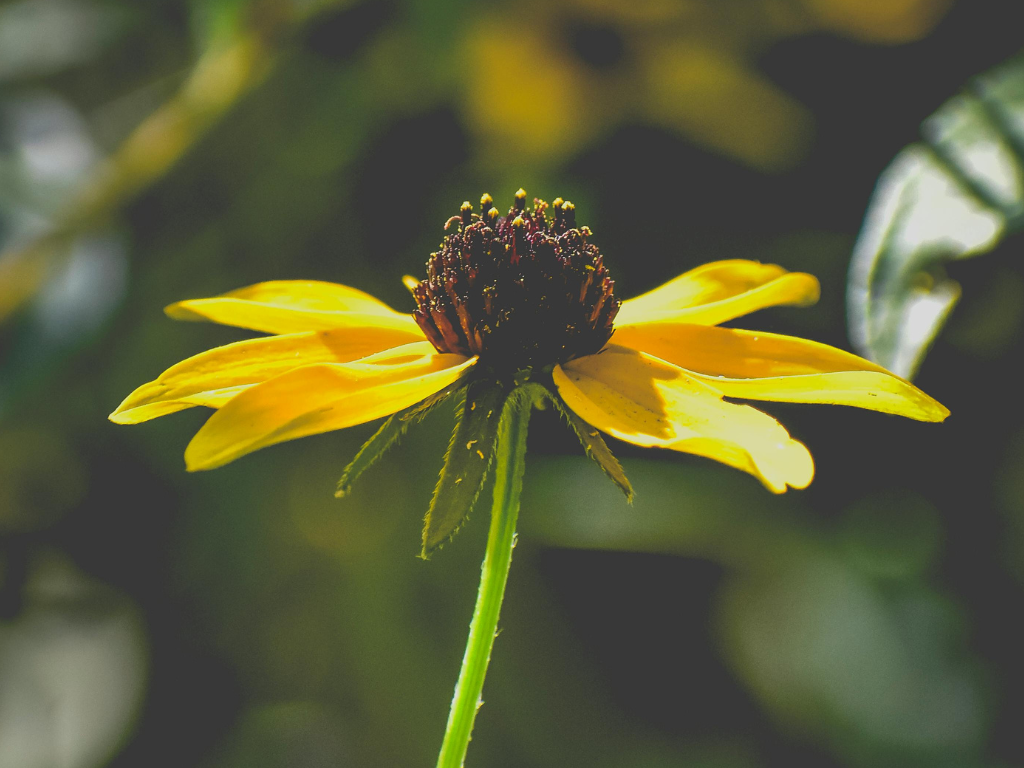 Image 3 of 6
 Image 4 of 6
 Image 5 of 6
 Image 6 of 6
PLANT FACTS:
Seeds per packet: 1,000
Lifecycle: Biennial
Germination code: C(30)
Needs cold stratification: Yes
Bloom time: June-Sept
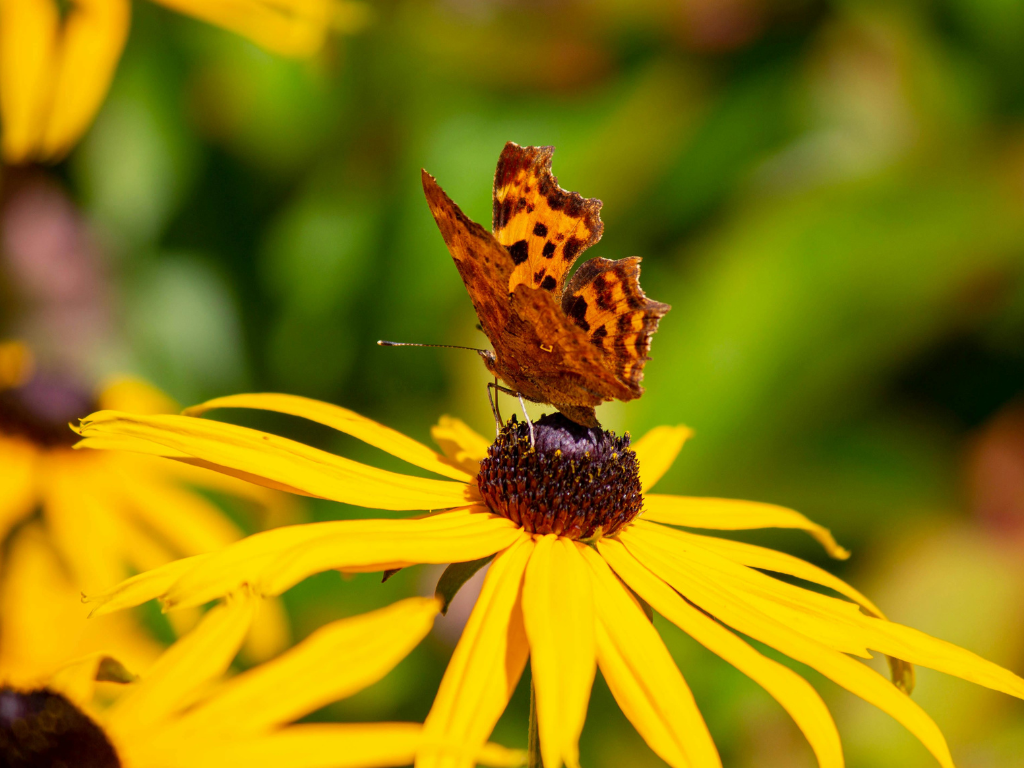
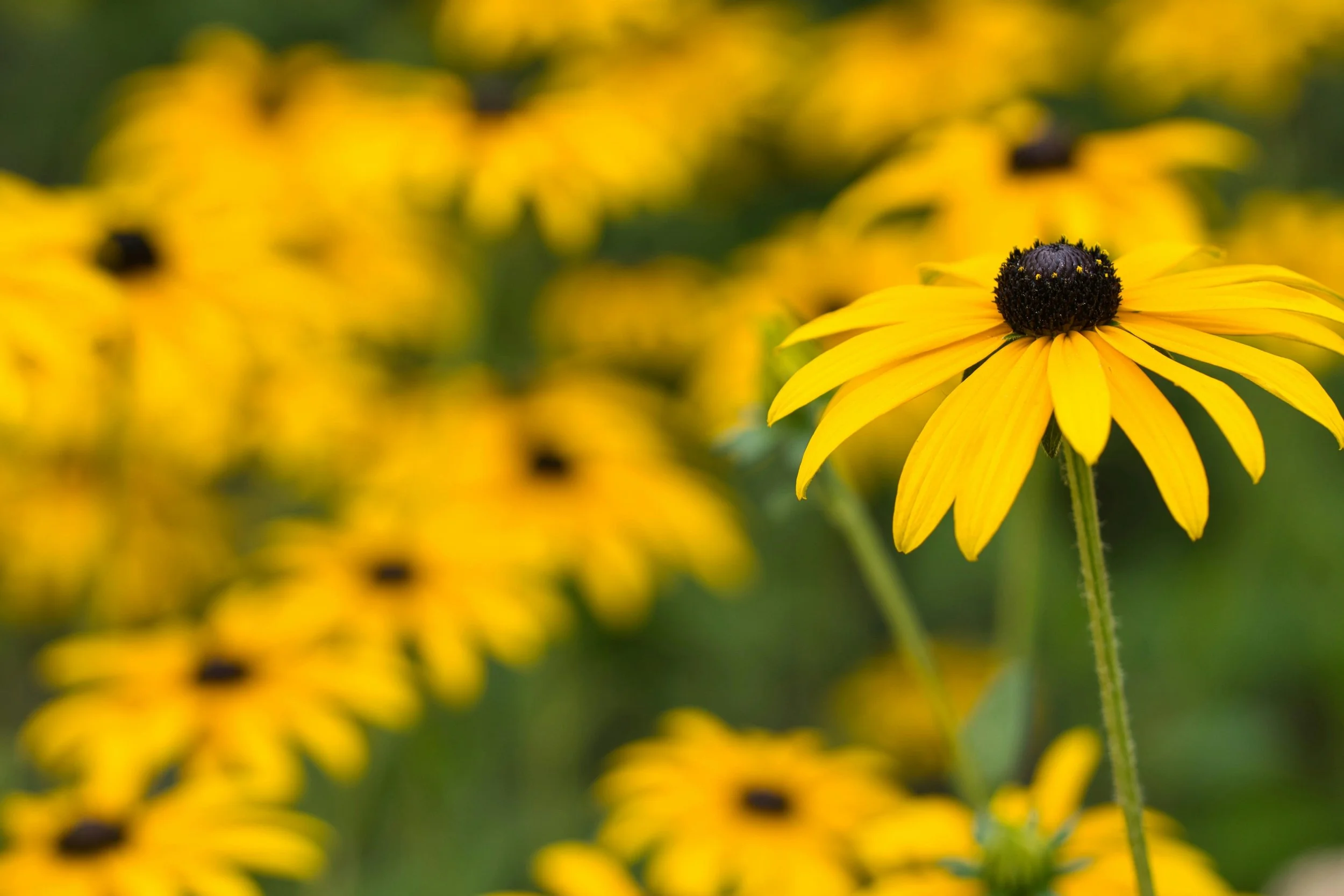
Bloom color: Yellow
Light: Full sun, partial sun
Soil moisture: Medium-wet - medium-dry
Soil texture: Sand - Clay
Height: 3’
Plant spacing: 10-12"
USDA zones: 3-9
Deer resistance: High
WILDLIFE BENEFITED
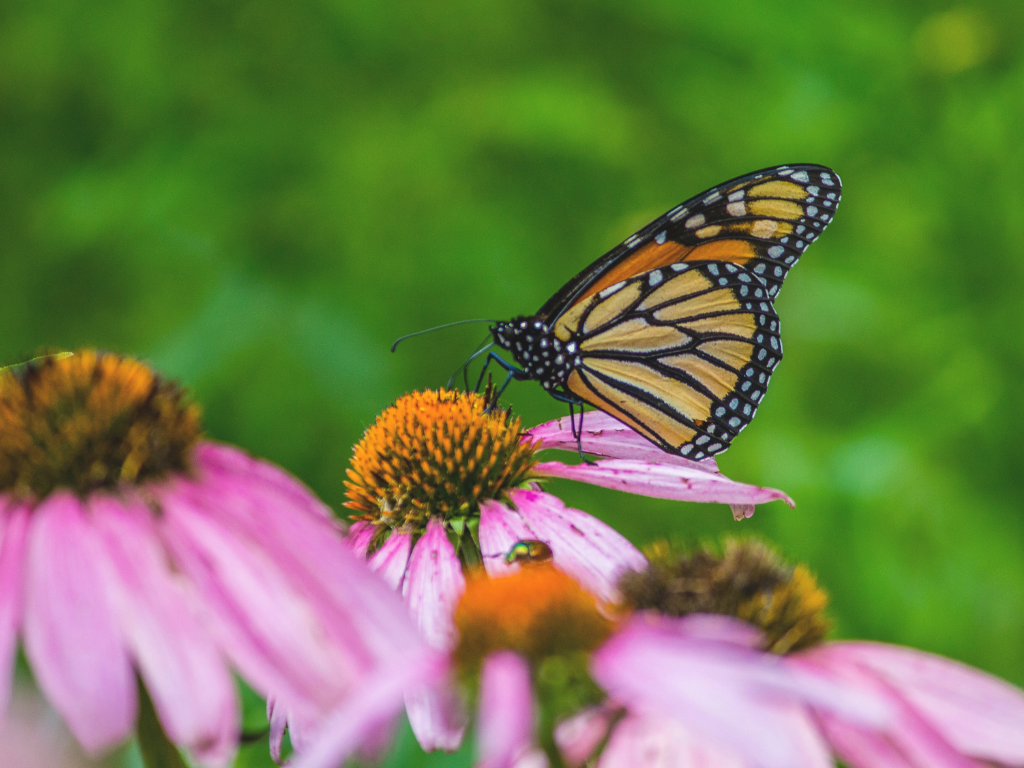
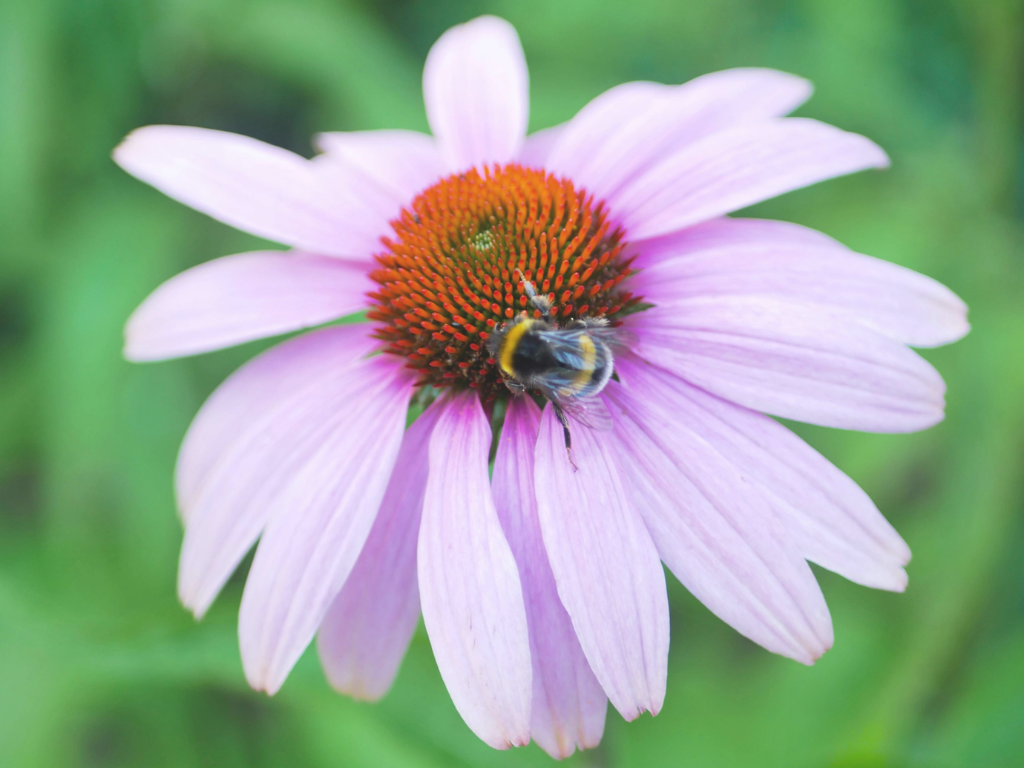
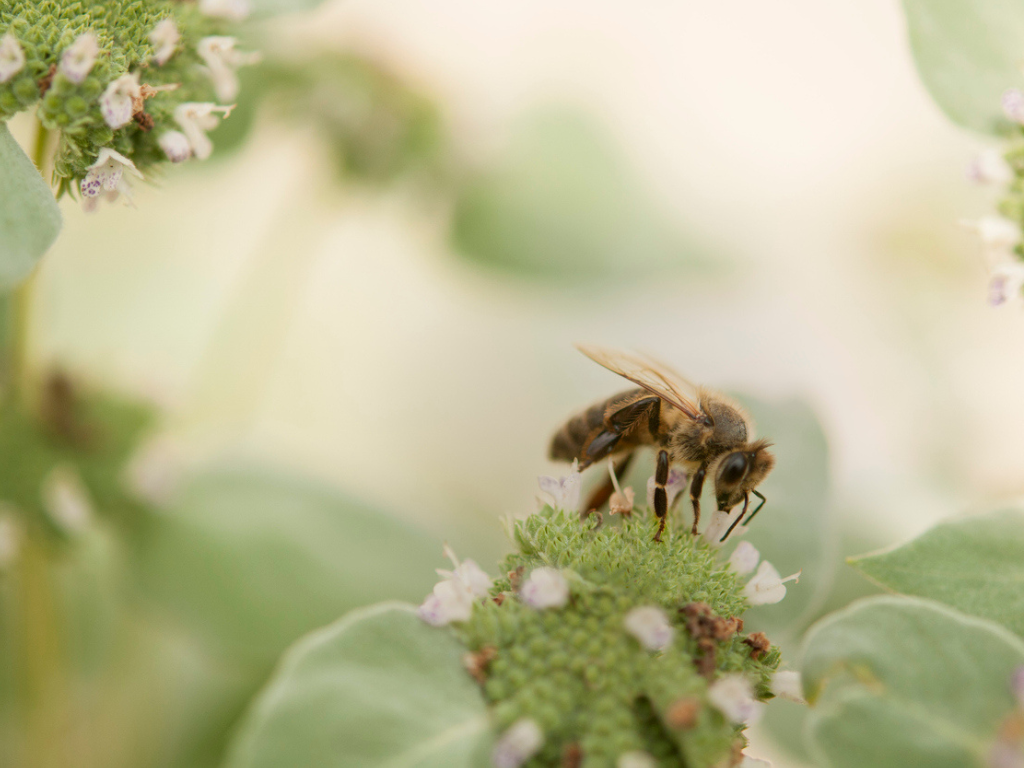
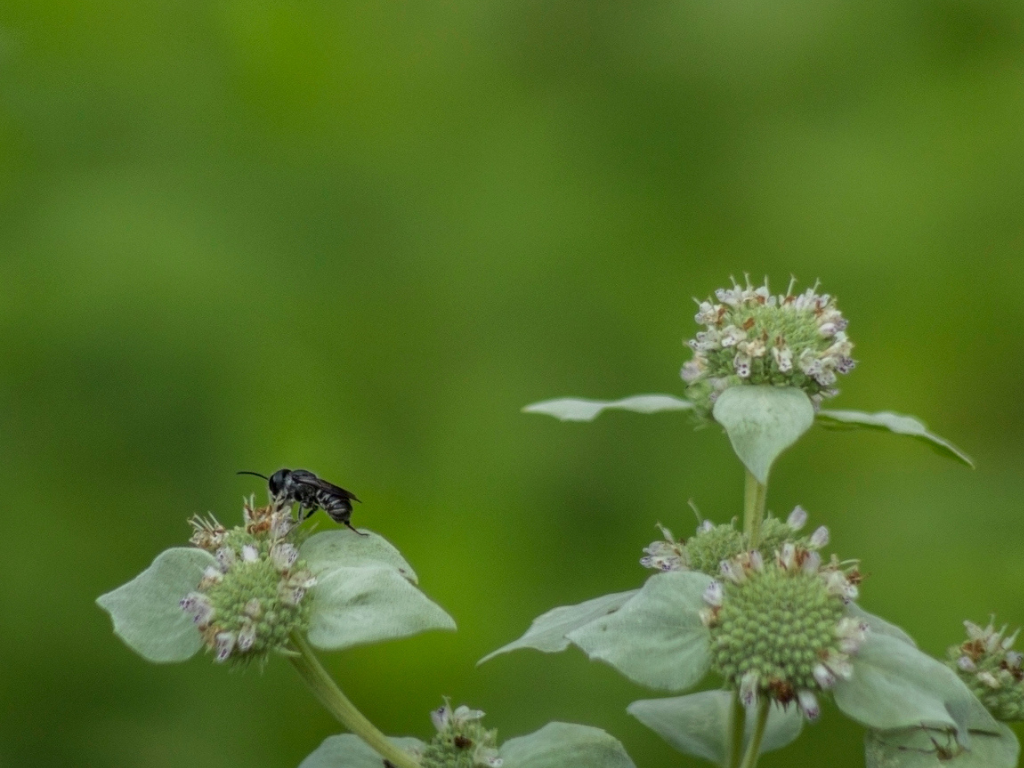
• Birds, Bees, Butterflies
• Host plant for Gorgone Checkerspot and Bordered Patch butterfly
PAIRS WELL WITH:
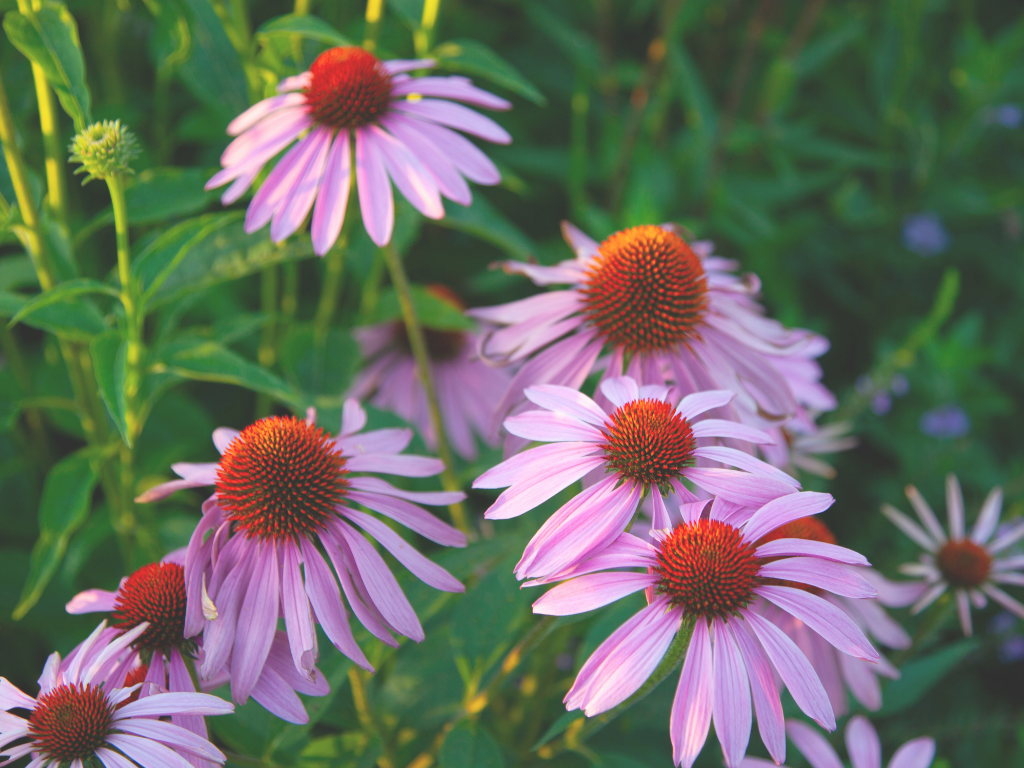
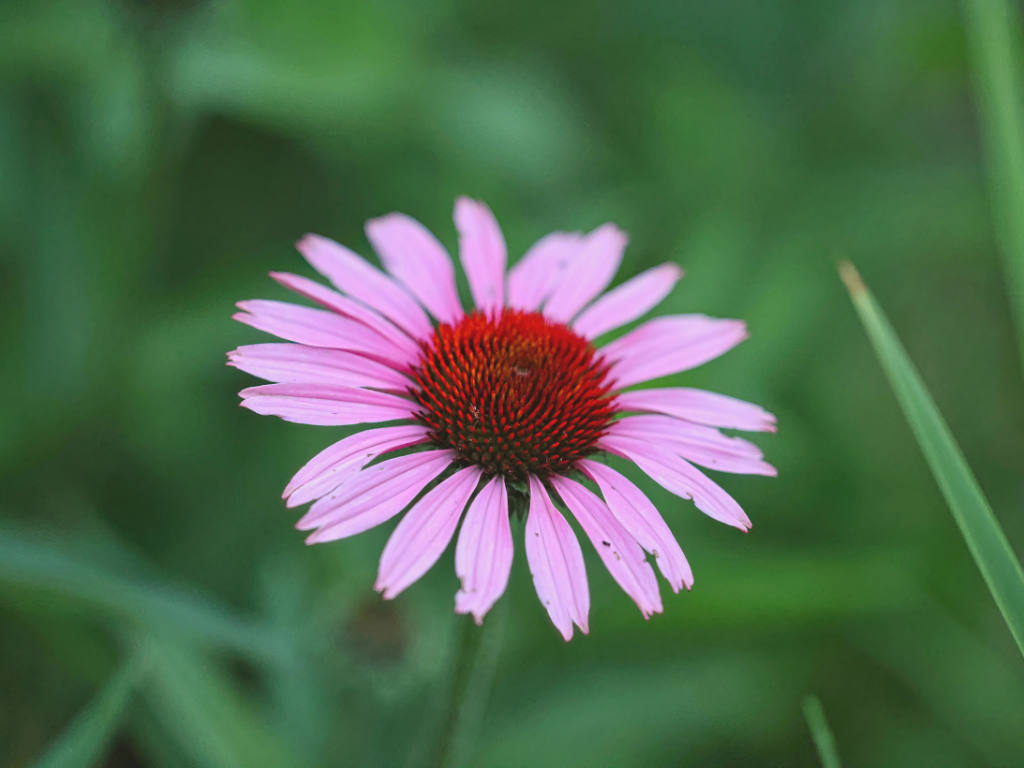
Some good native companions include: Purple Coneflower (Echinacea), Wild Bergamot (Monarda Fistulosa) and Blazing star (Liatris spicata or L. pycnostachya) for classic summer vignettes, ornamental grasses like fountain grass for texture and fall bloomers like Asters and Goldenrod for extended color.
GOOD TO KNOW…
-
Black-eyed Susan is one of the easiest natives to grow from seed and a good choice for beginners.
Germination code: C(30)
Days to germination: 8-14
Days to maturity: 85-100 daysIndoors: Sow the seeds indoors 5-7 weeks before the last frost. Fill with a seedling soil mixture and moisten the soil. Press three seeds in each cell gently. Cover with a thin layer of soil. Spray or mist. Keep the seeds moist and give them light and warmth between 68℉ and 72℉. Transplant seedlings when they have one set, or more, of true leaves and the danger of frost has passed. Note: Seeds need a period of cold stratification in order to germinate.
Outdoors: Sow directly onto bare soil in the fall and winter. Press seeds lightly to make contact with soil.
Note: The Wild Patch is not responsible for buyer germination success. Liability of seller is limited to the cost of the item(s).
-
Many native plant seeds won’t sprout right away — they need certain conditions, like cold, warmth, or moisture, to break dormancy (their “sleeping” state). Germination codes are short labels (like A, B, C, etc.) that tell you what a seed needs to wake up and grow. For Black-eyed Susan, a germination code "C 30" means that the seeds require a period of cold, moist stratification for at least 30 days to break dormancy.
-
It sounds harder than it is. There are two easy ways to cold, moist stratify your seeds:
Method 1: Direct sow the seeds outdoors in late fall or early winter. The natural cycles of freezing and thawing will provide the necessary cold, moist stratification the seeds need and the seeds will germinate the following spring.
Method 2: This method mimics a natural cold cycle. Just place the seeds in a plastic ziplock bag in between a damp coffee filter or with a small amount of moistened peat moss or sand. Store the bag in the refrigerator for 30+ days. Then remove and sow the seeds.